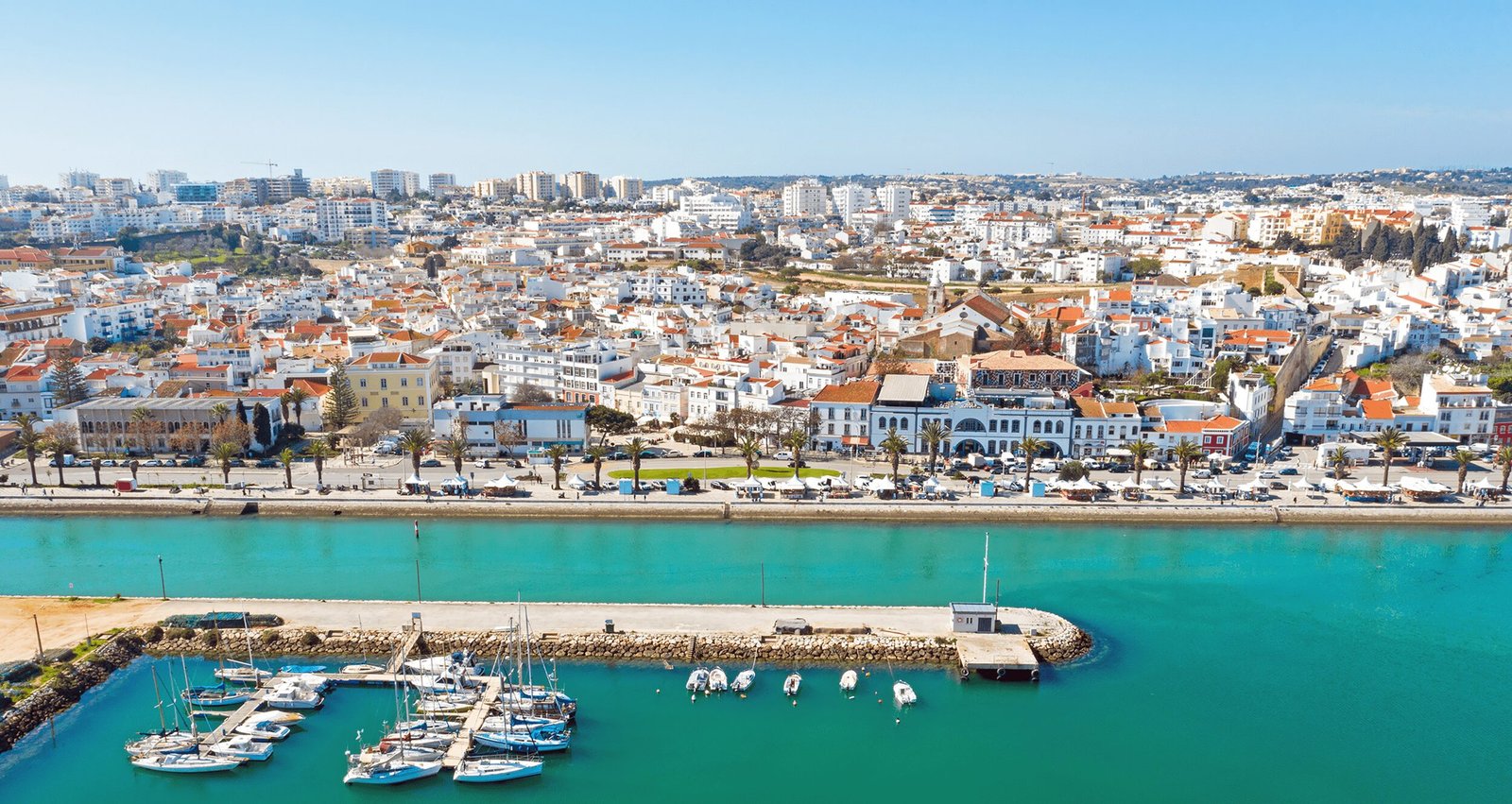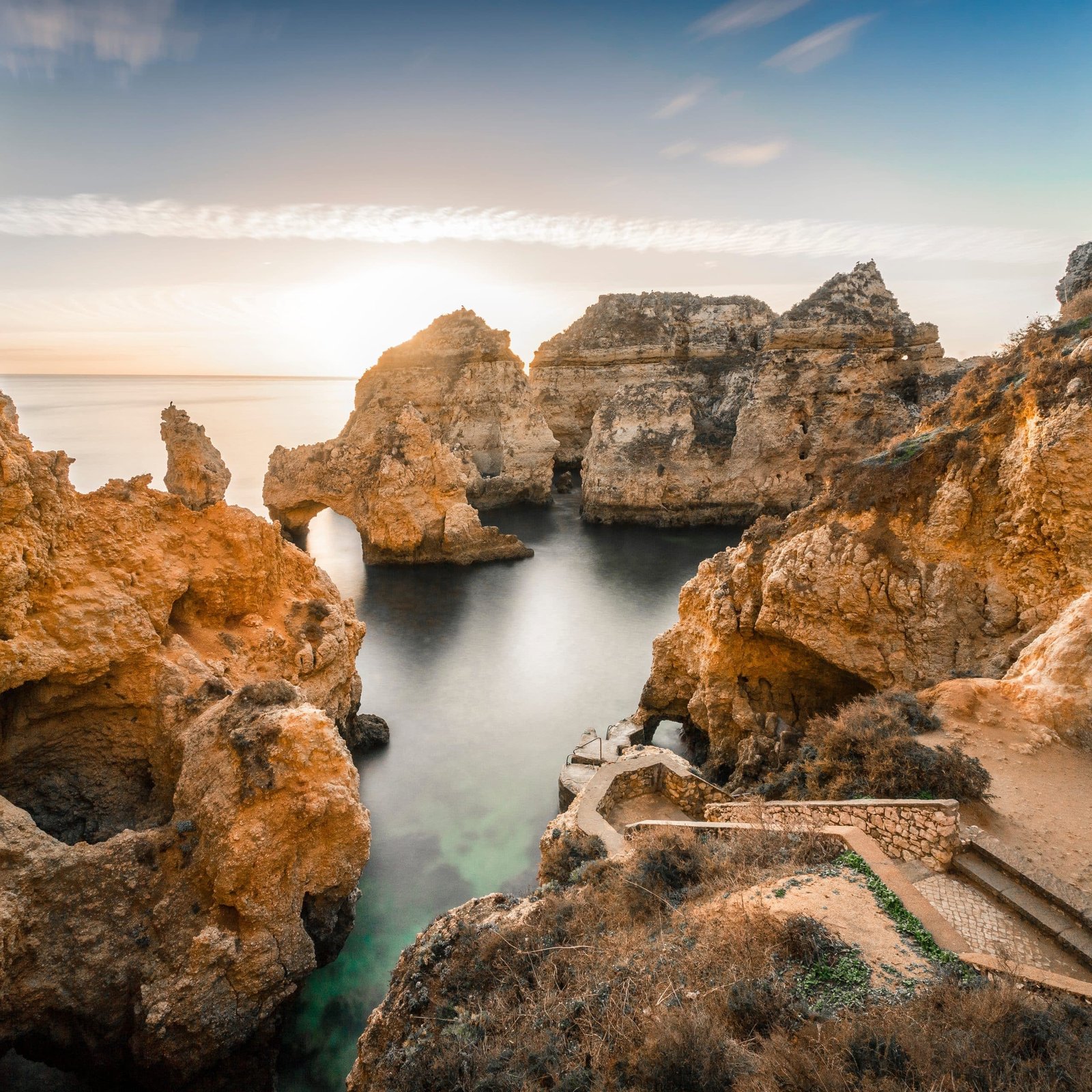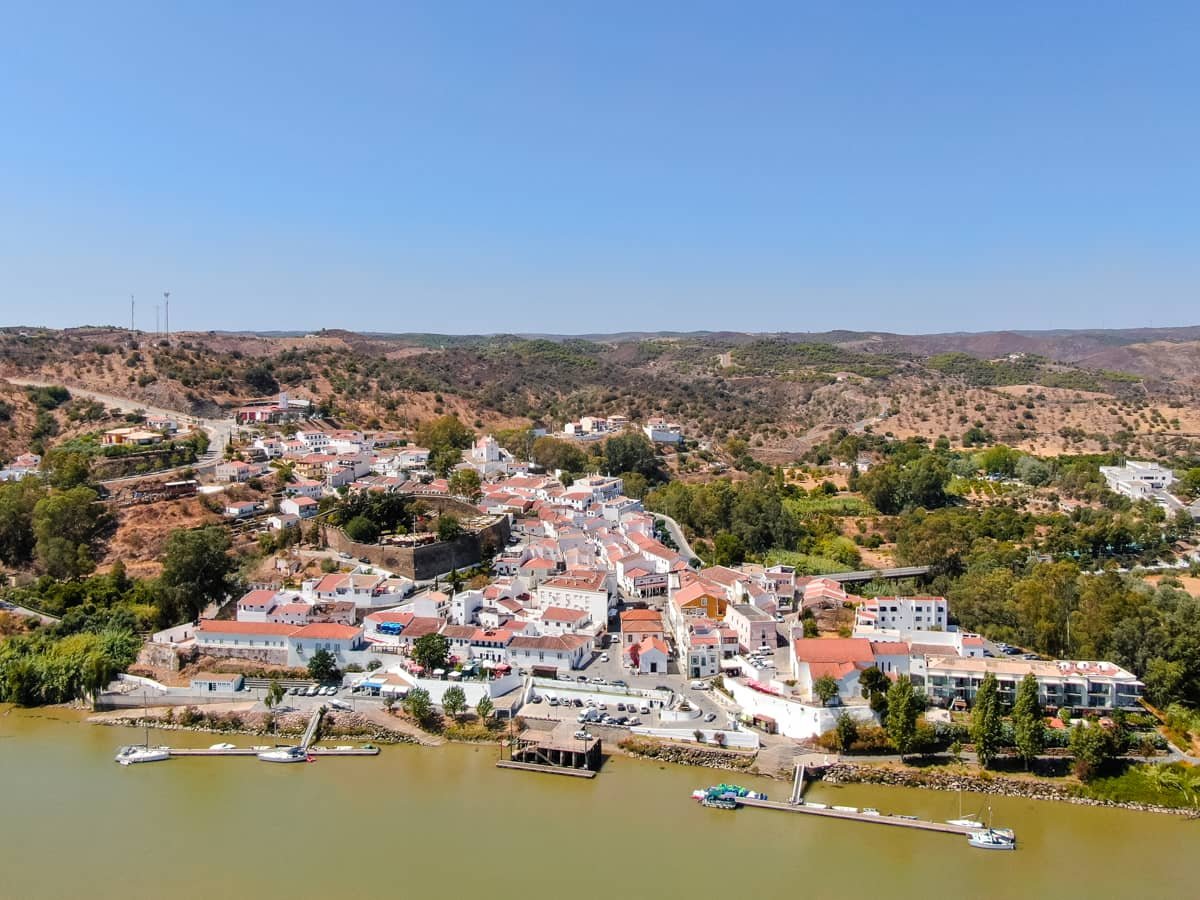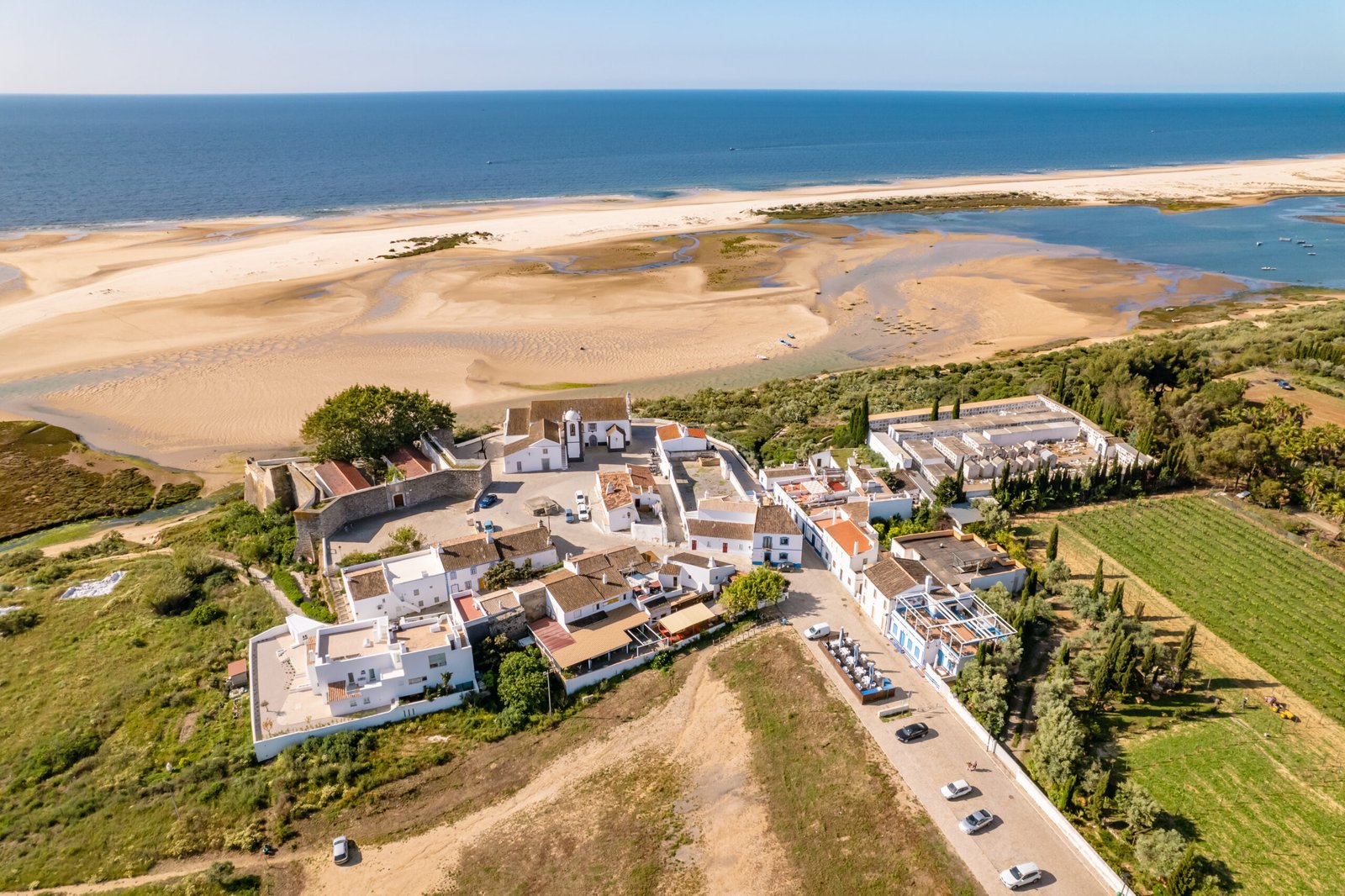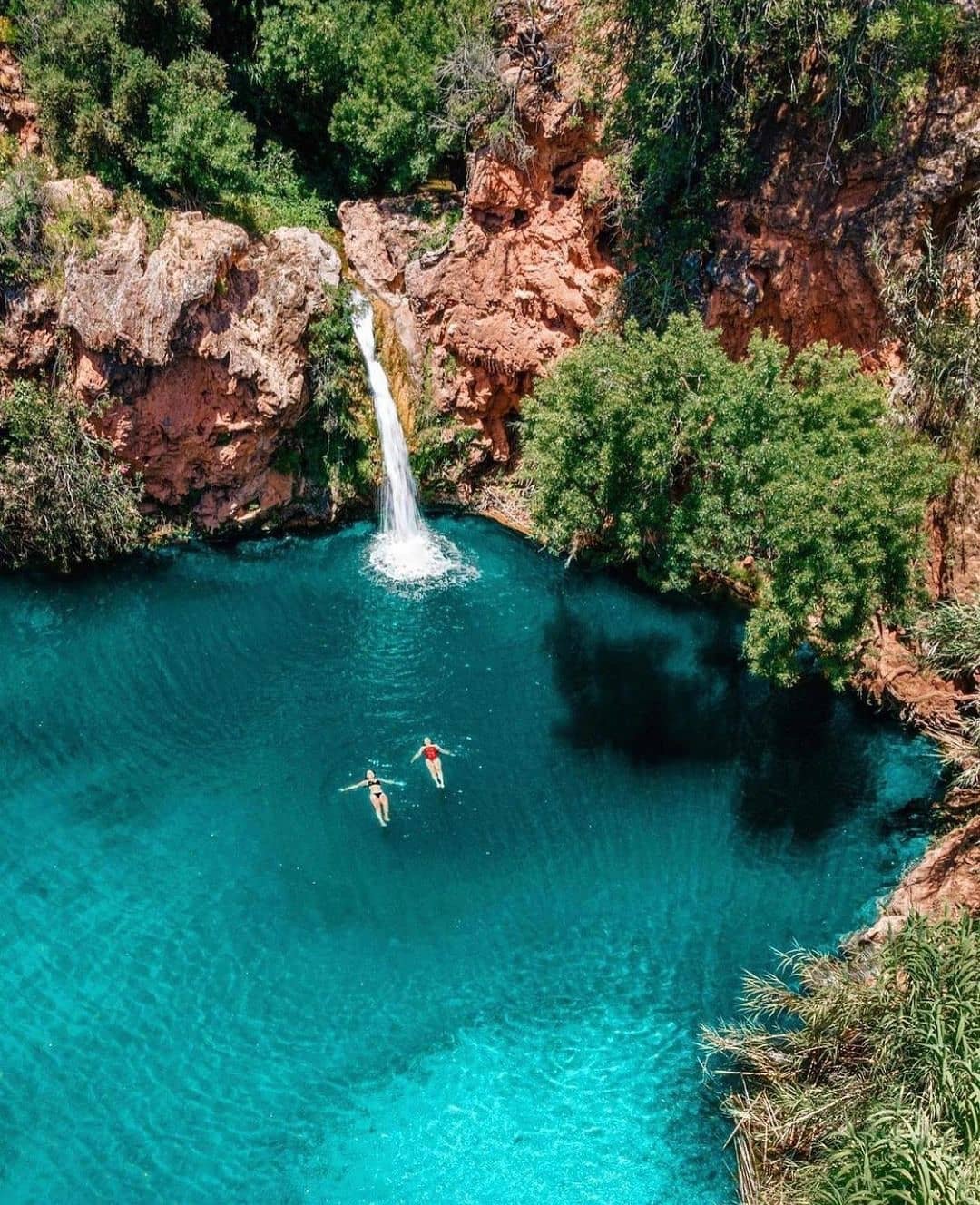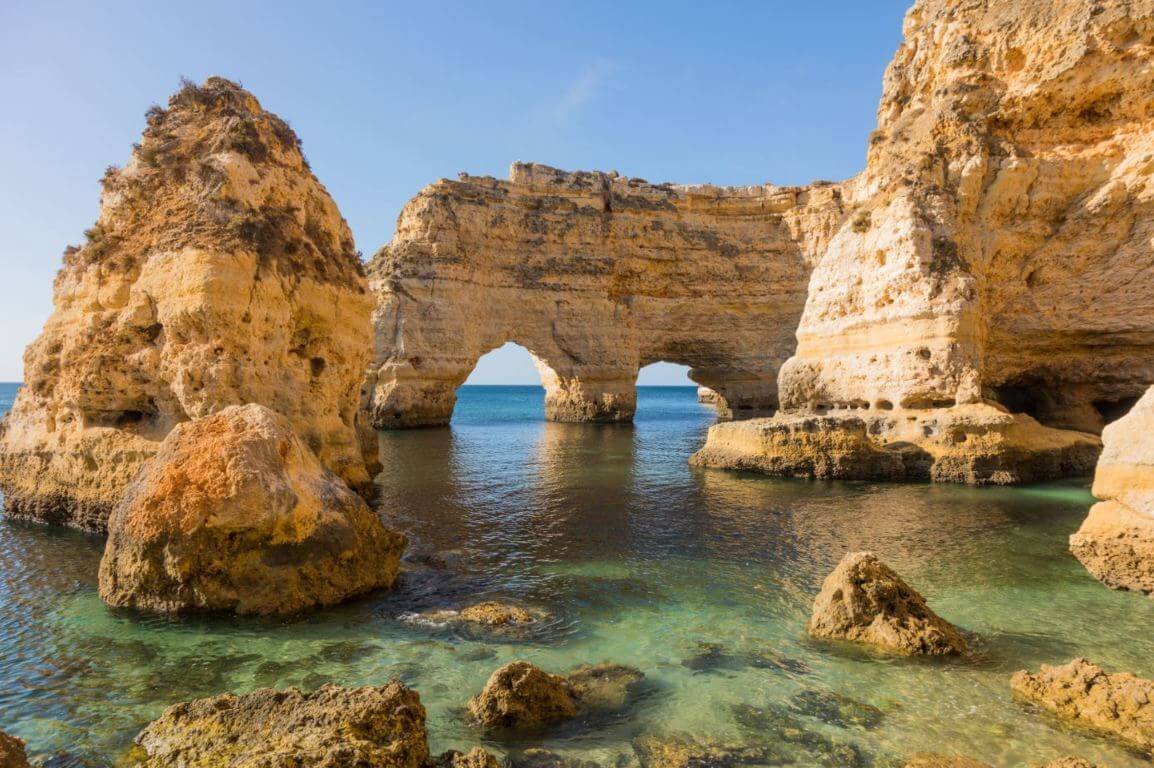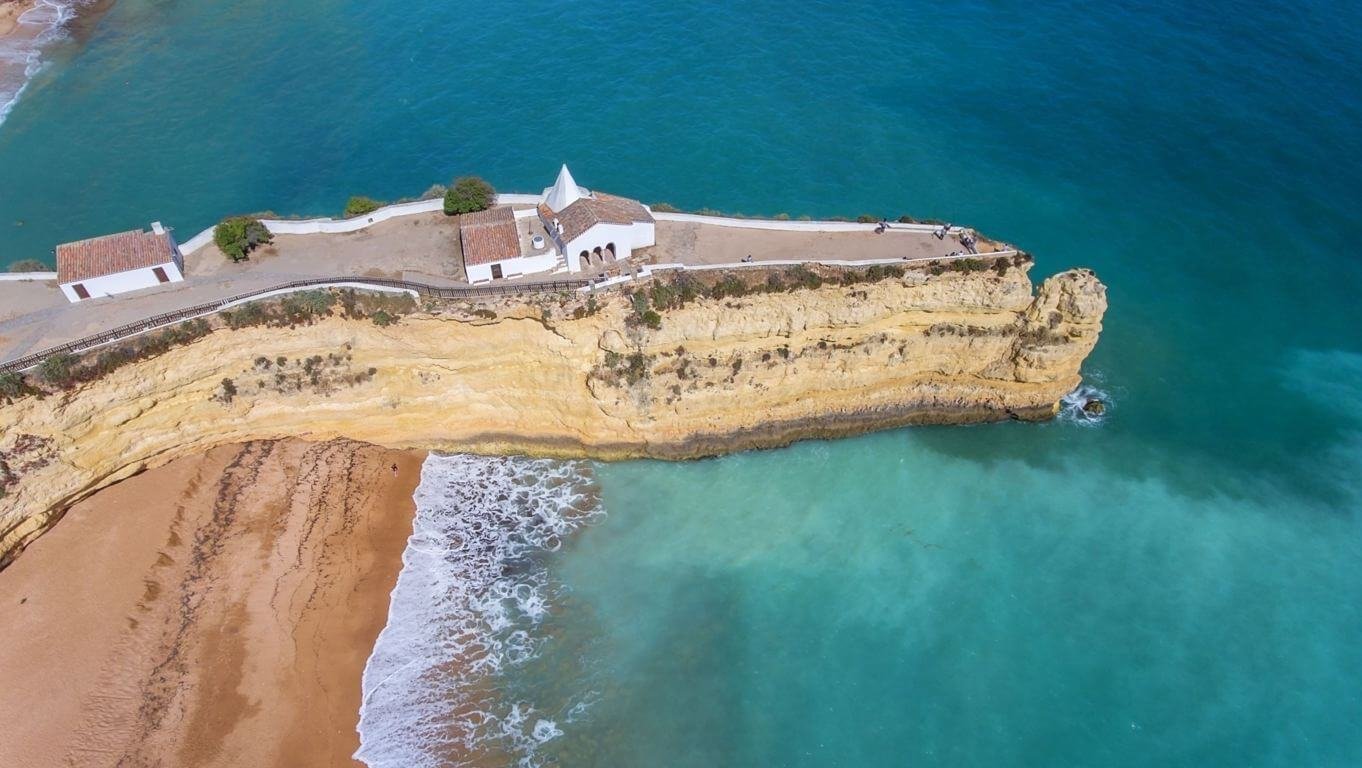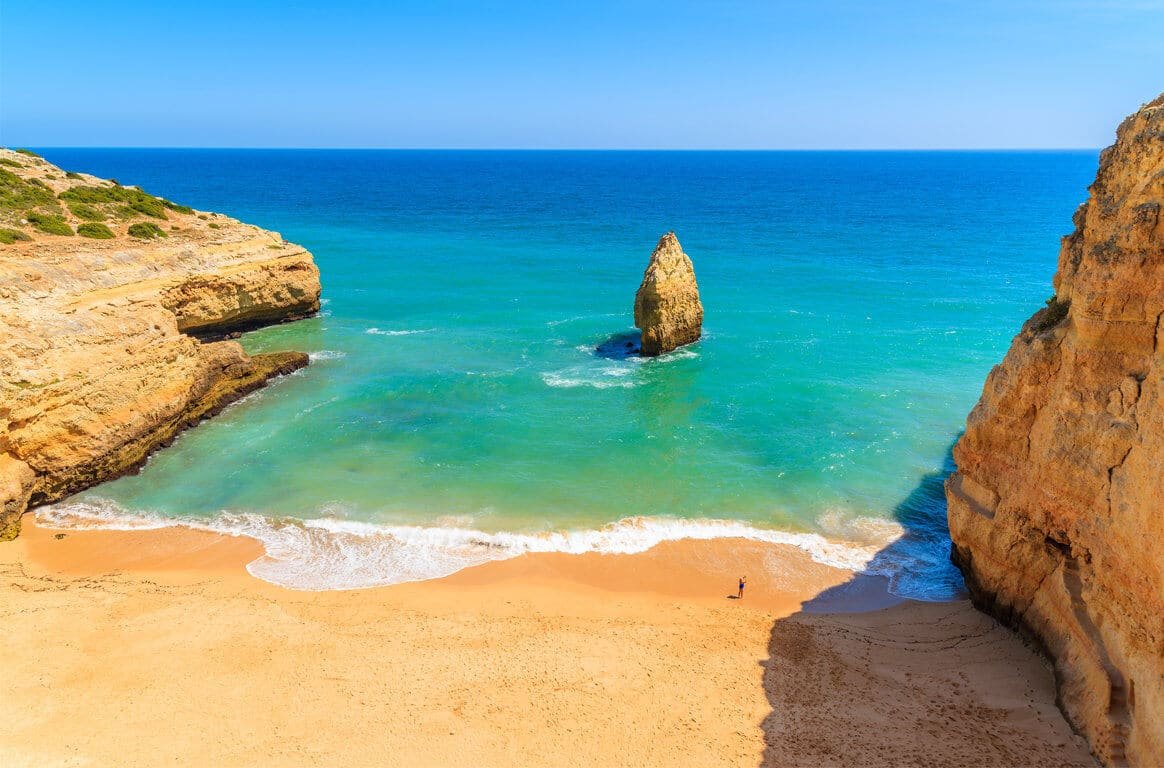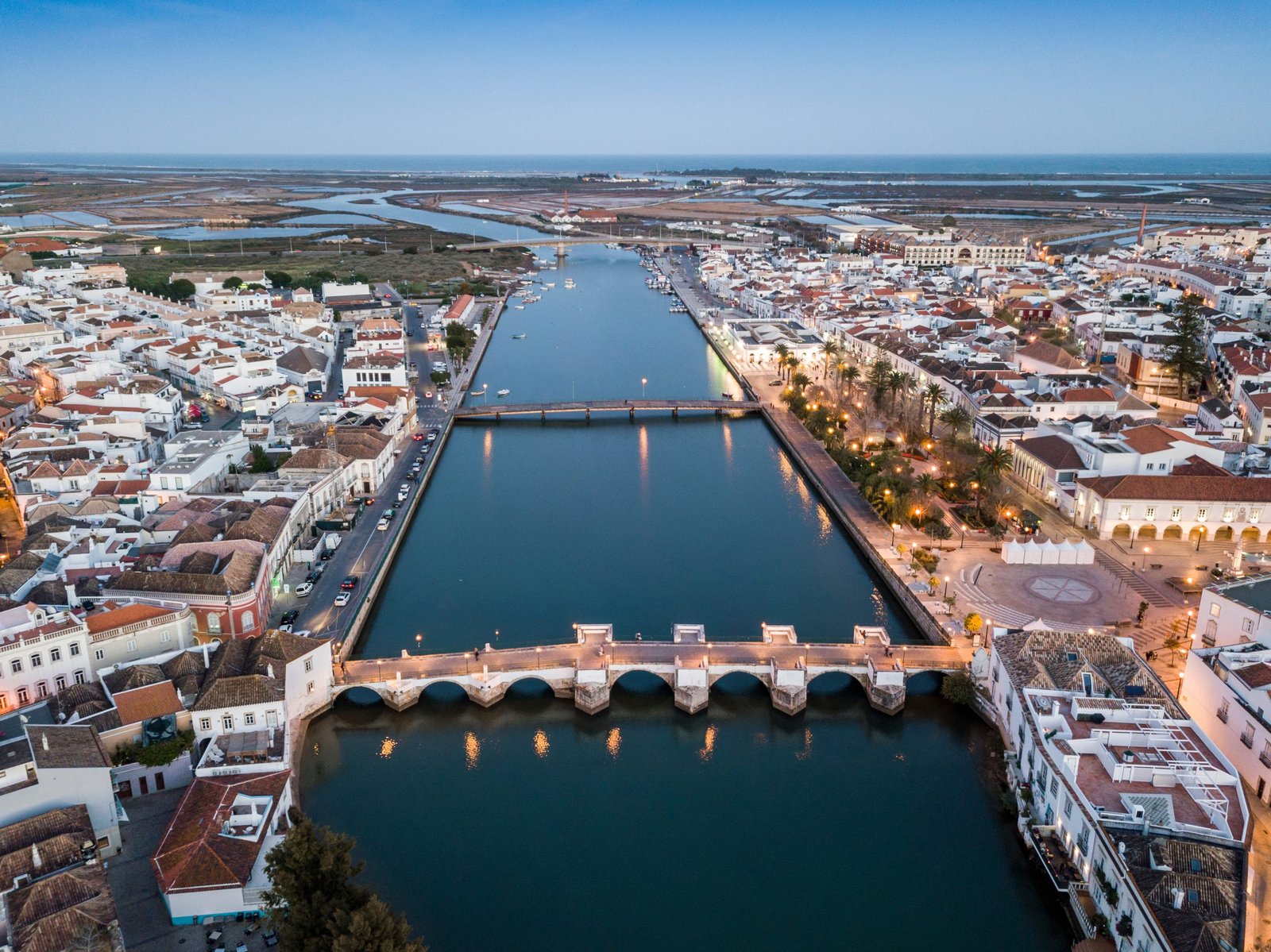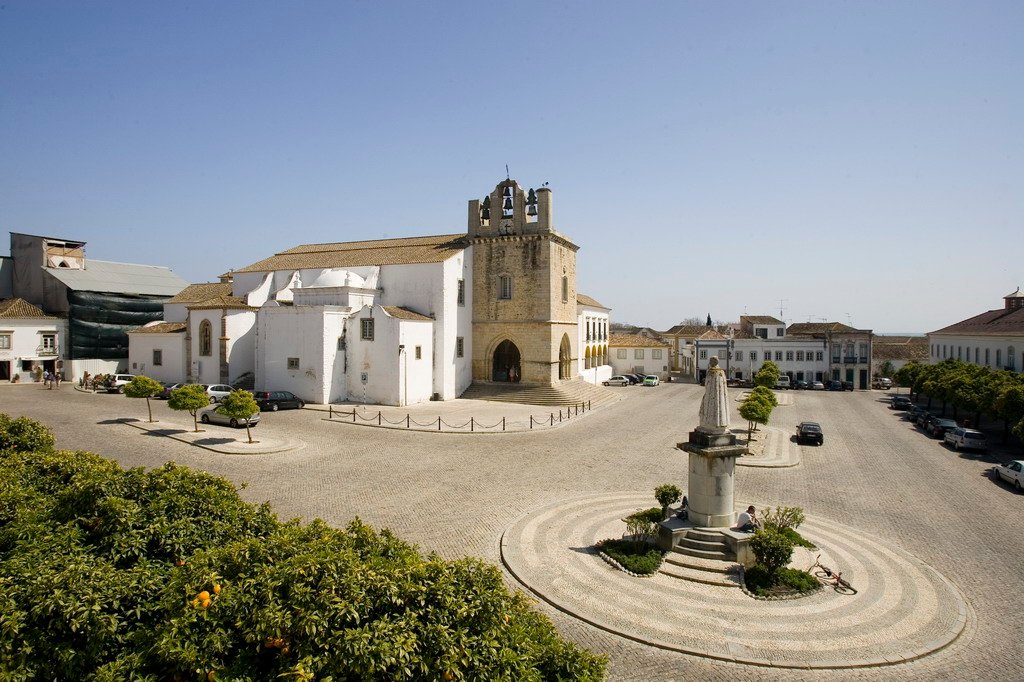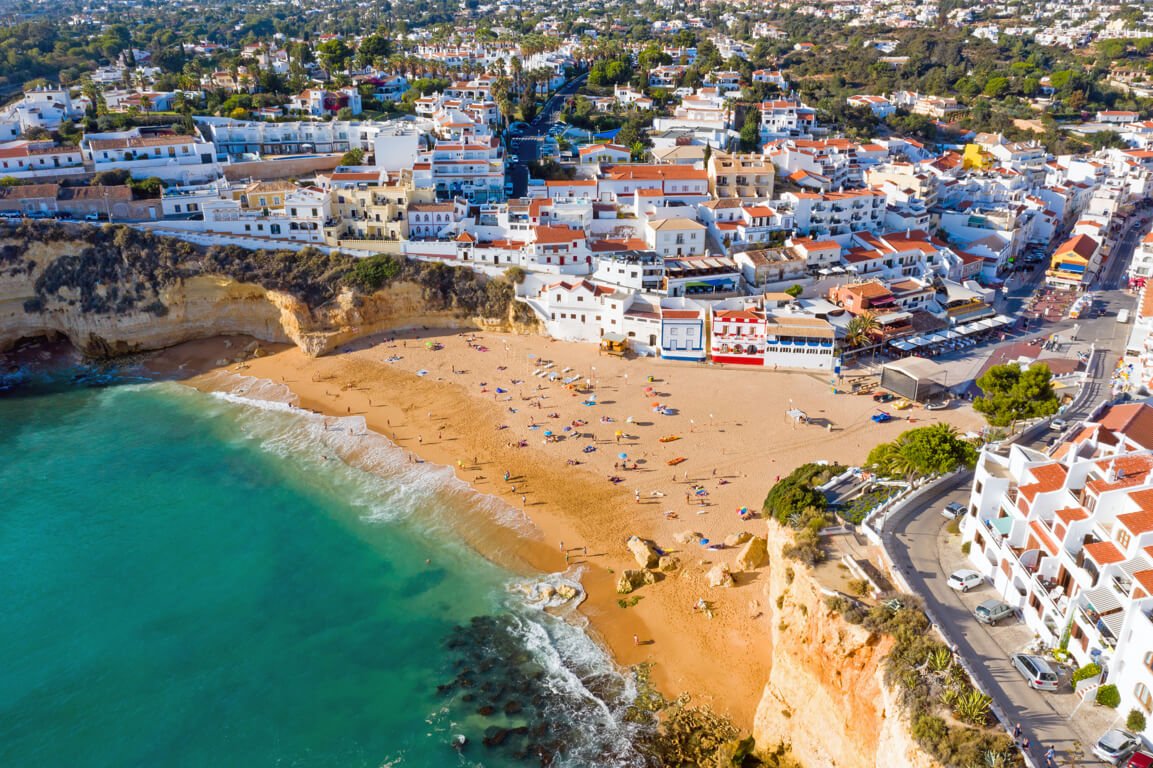
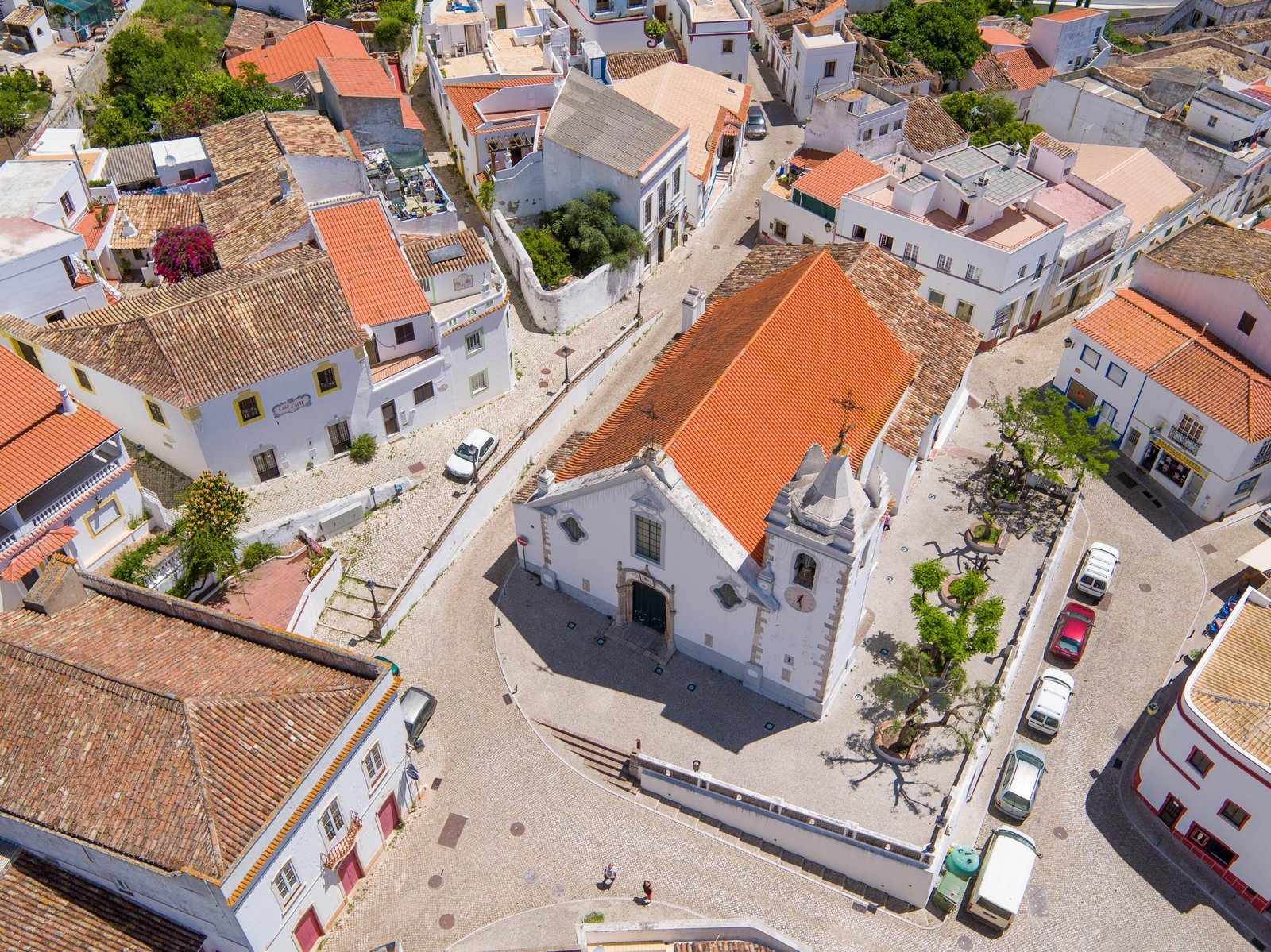
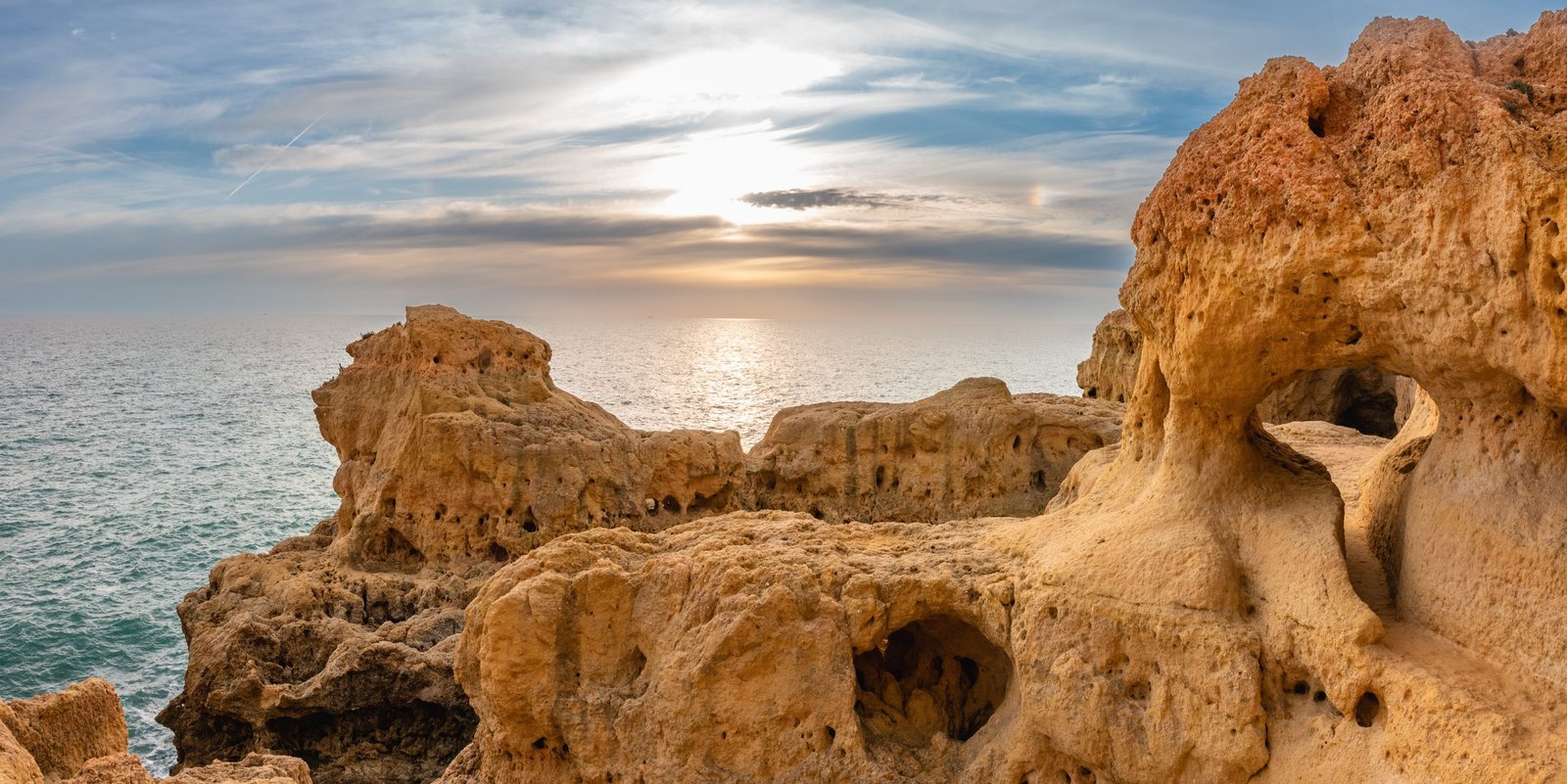
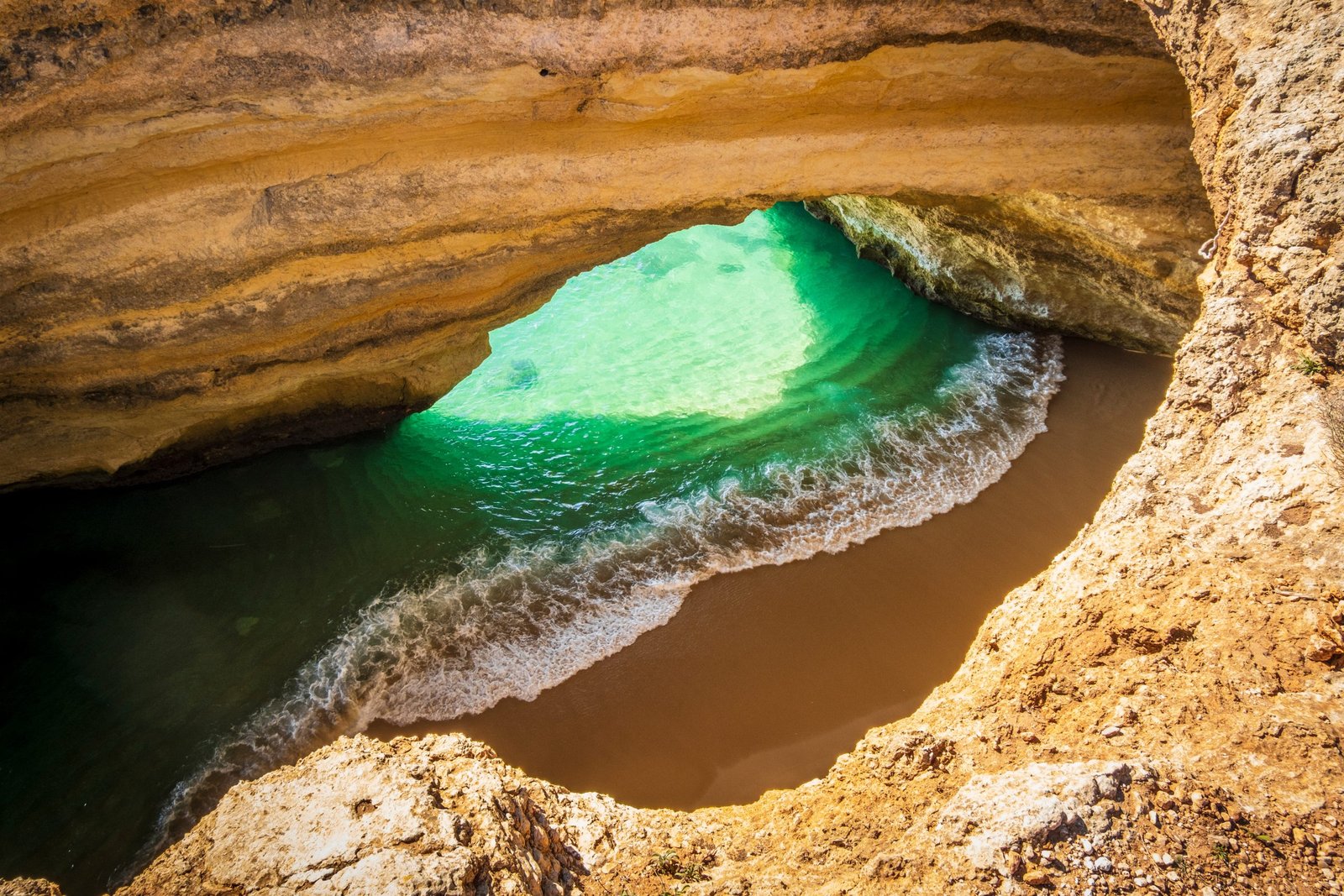
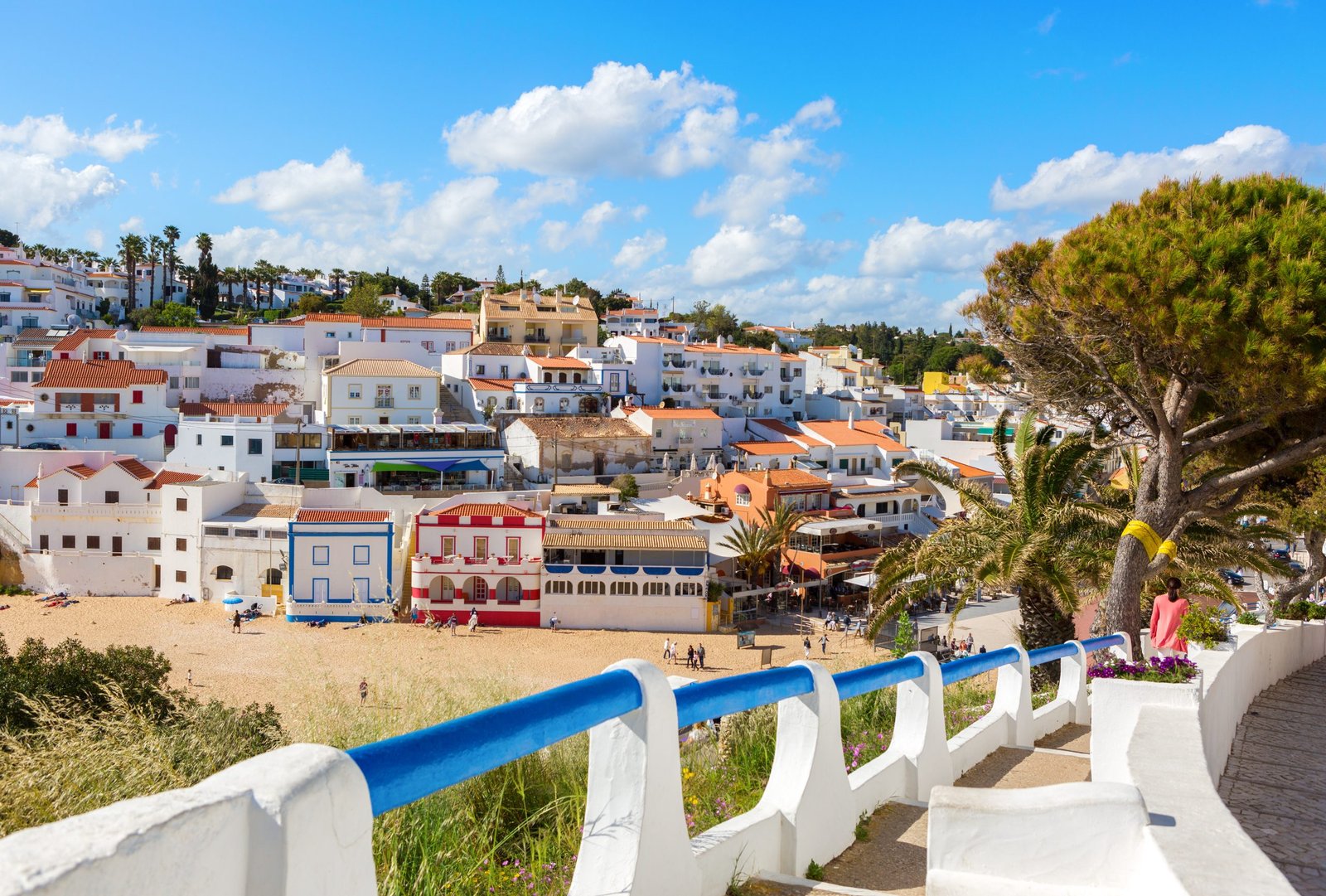
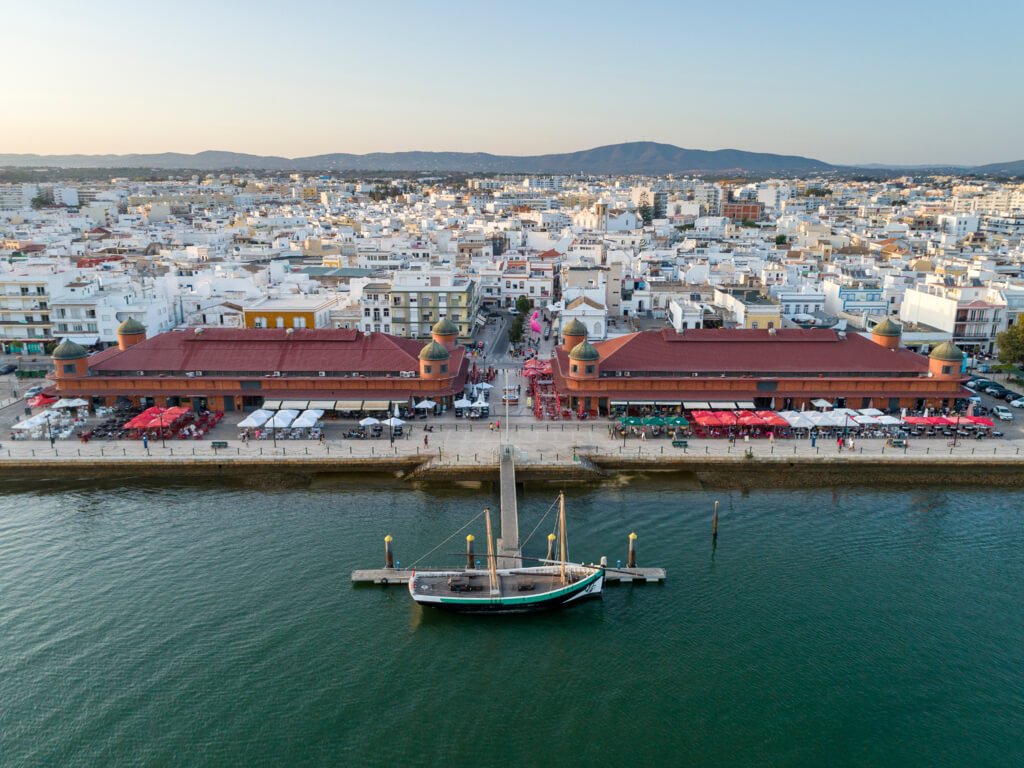
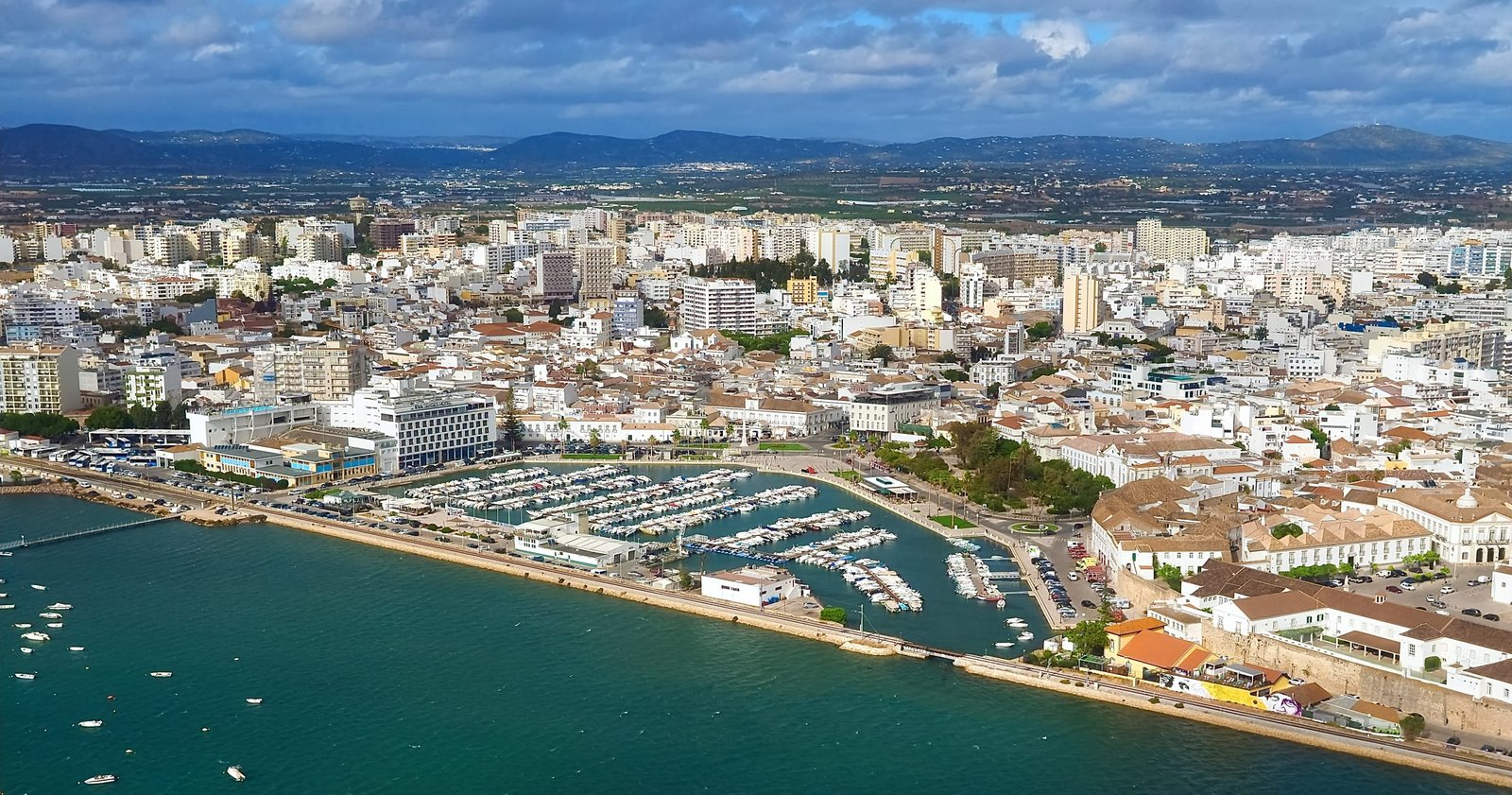
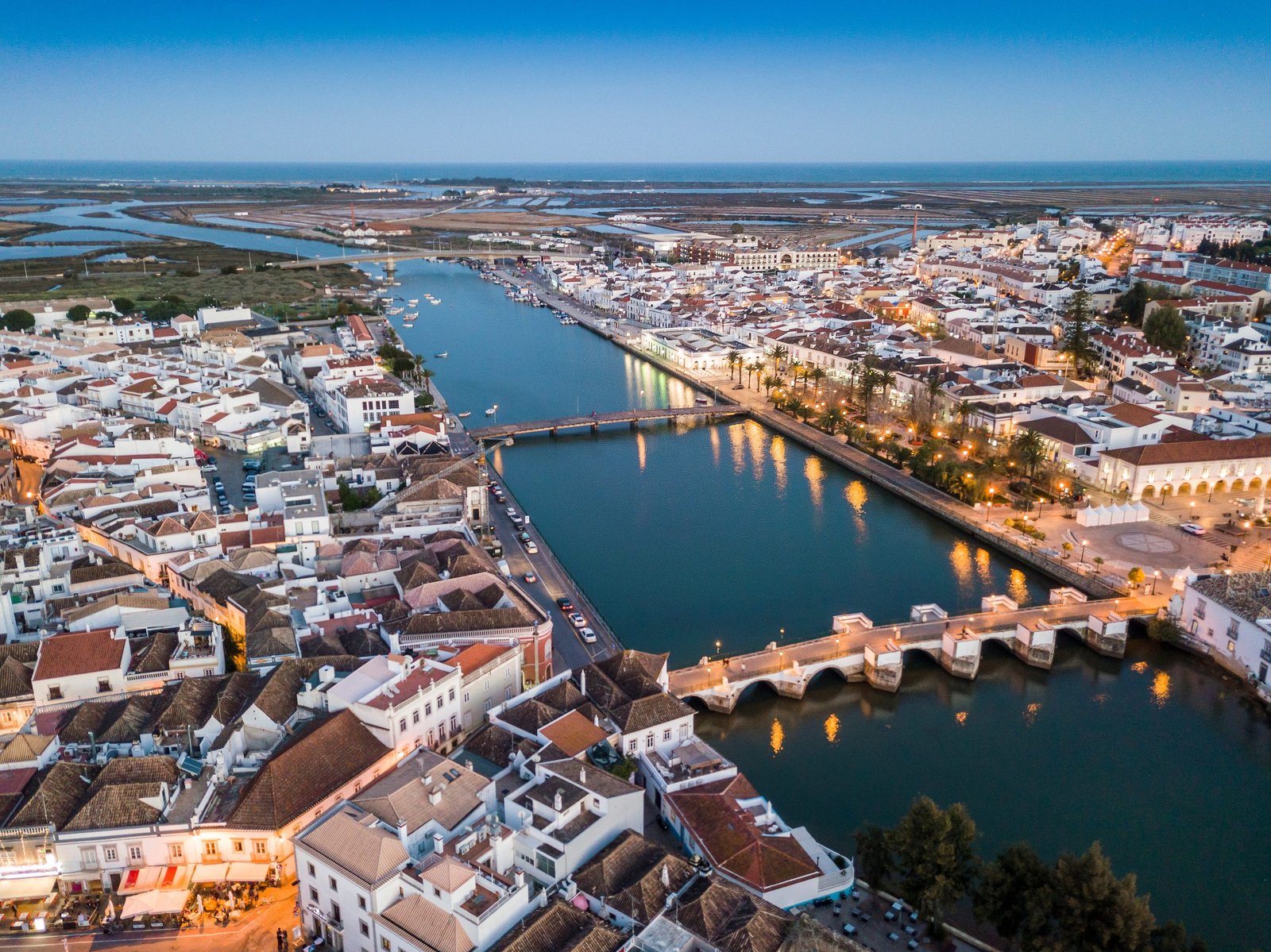
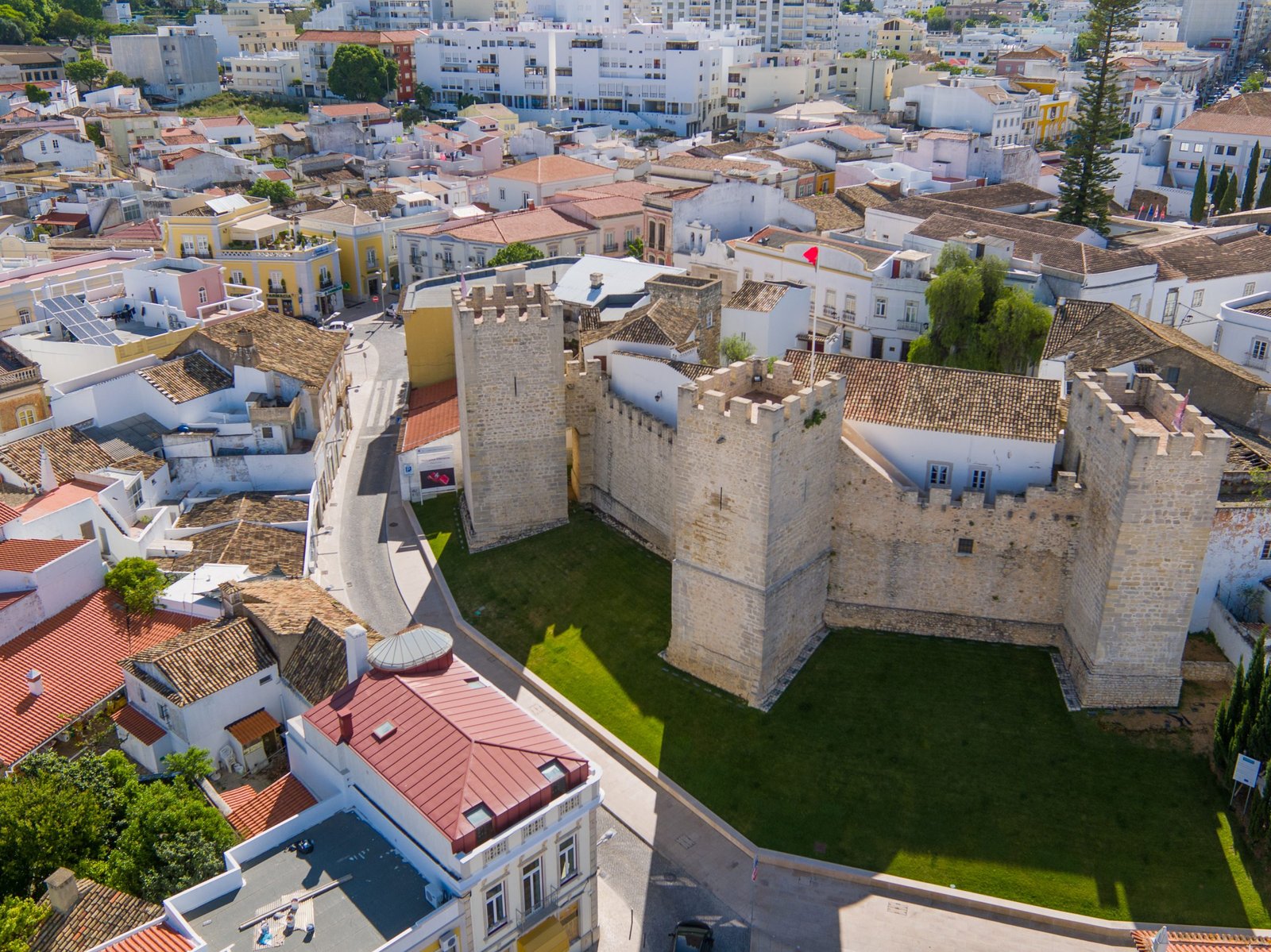

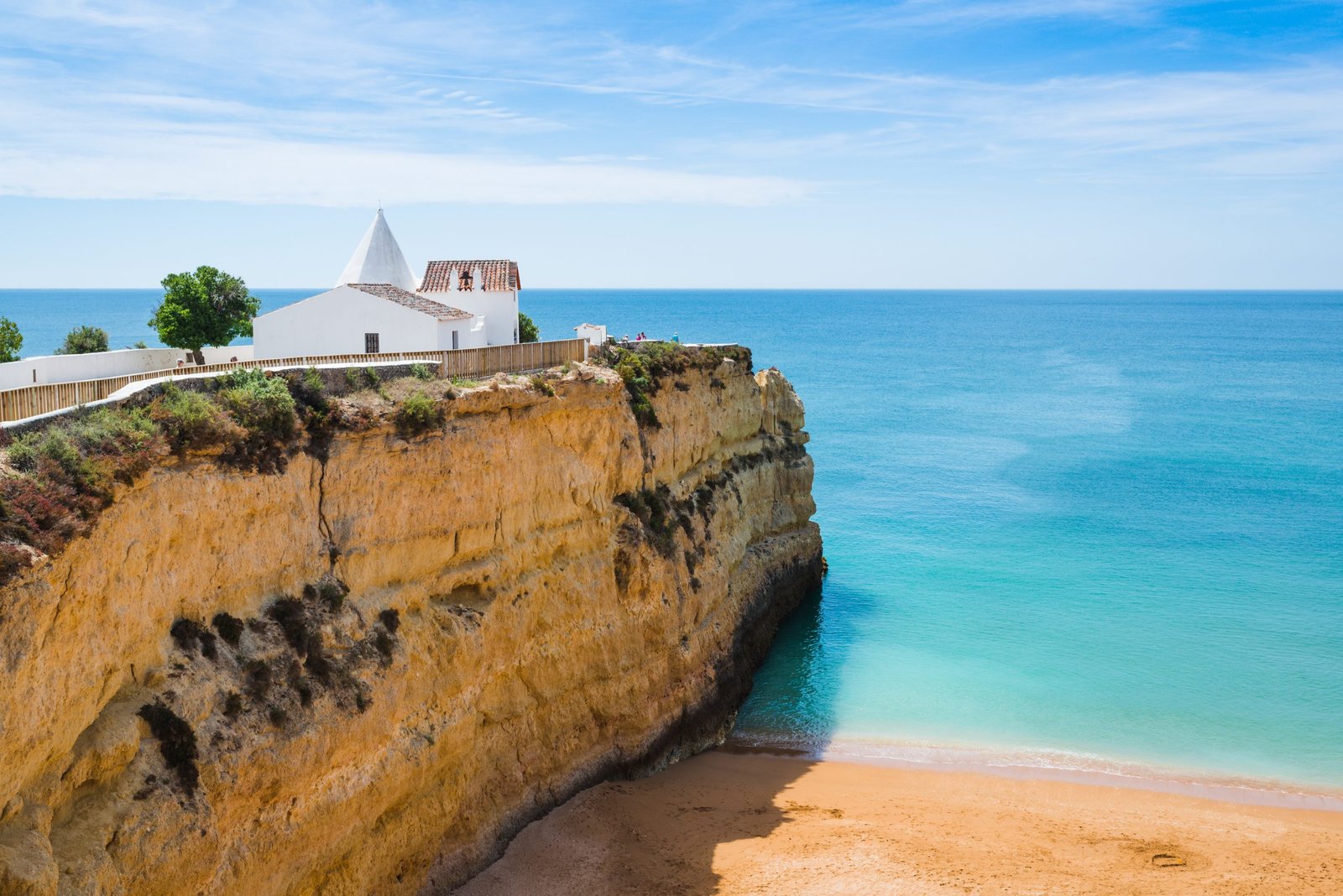
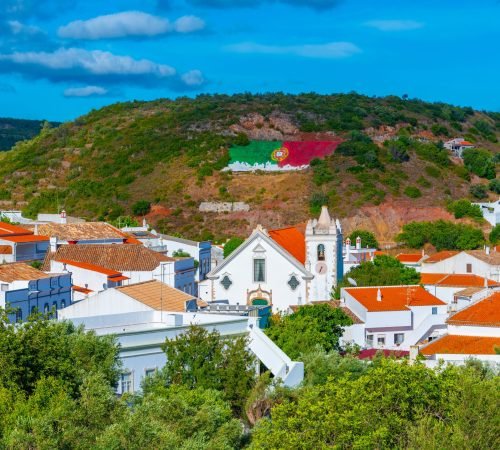
O Algarve It covers around 4,997 km² and is divided into 16 municipalities. Historically, it was a strategic territory during the Islamic occupation (8th-13th centuries), a period that profoundly marked its culture and architecture. After the Reconquista, the title of “King of Portugal and the Algarves” became part of the official designation of the Portuguese monarchy, reflecting the region's historical importance.
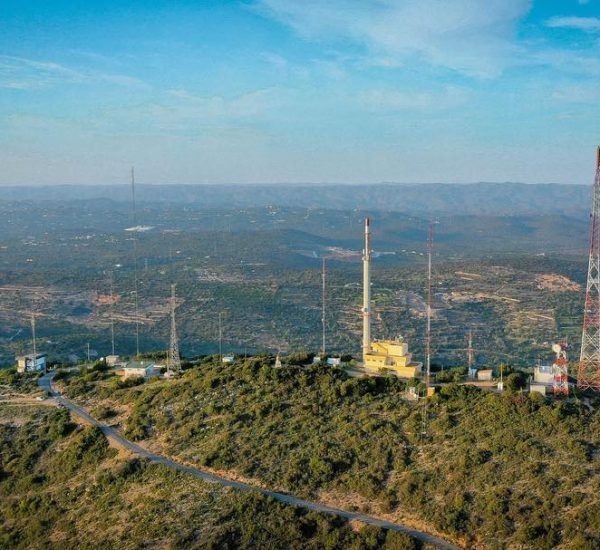
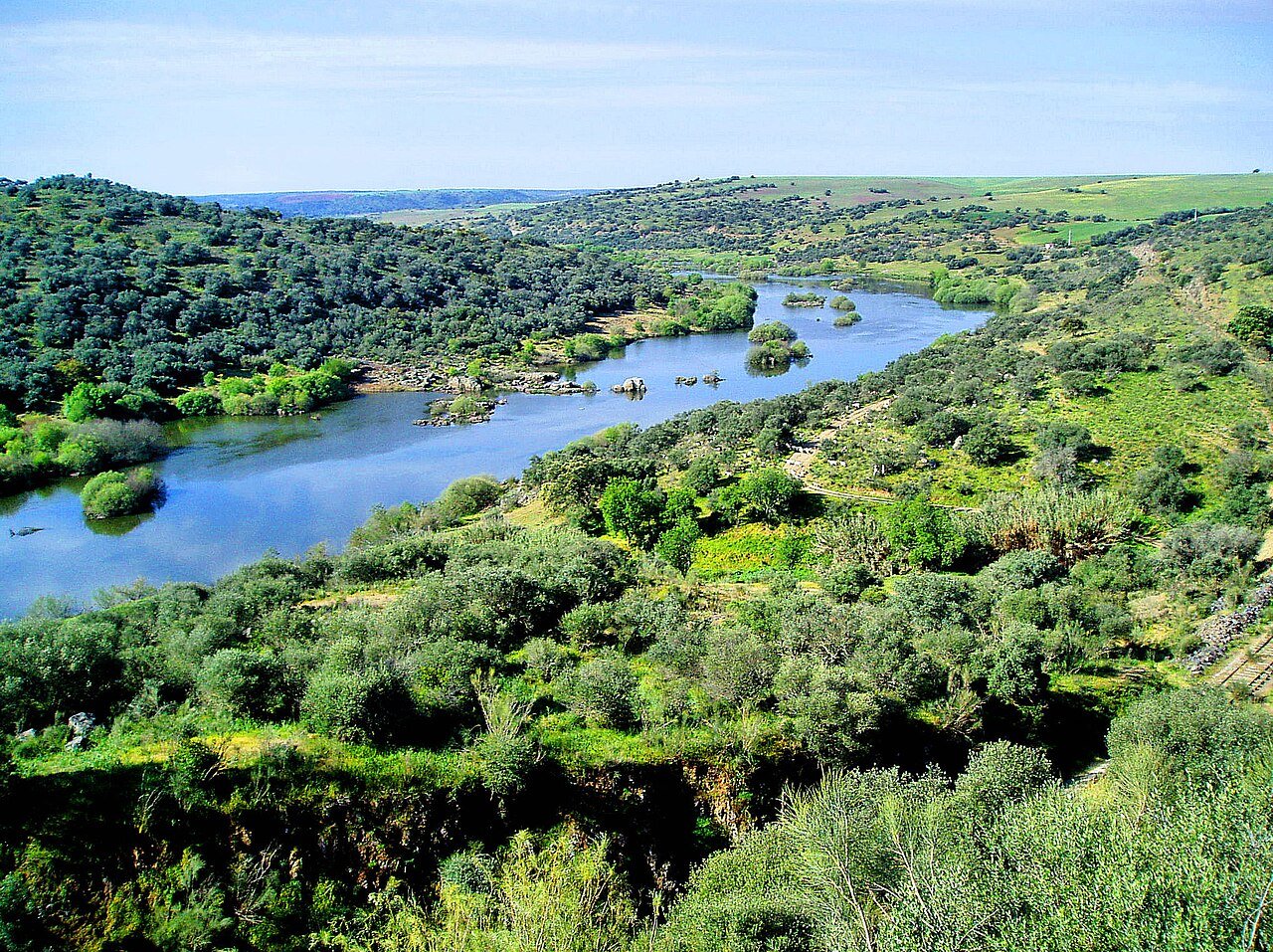
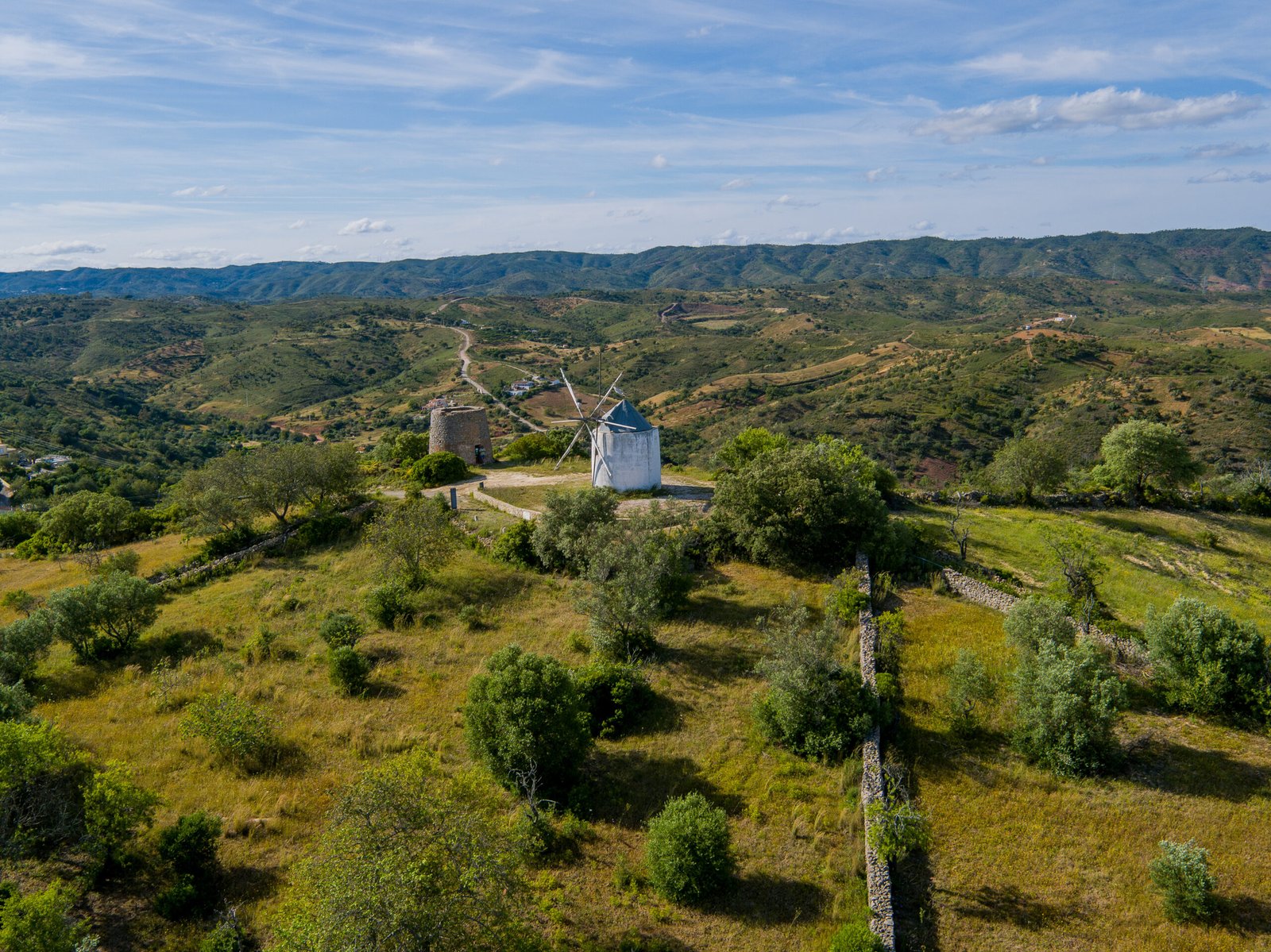
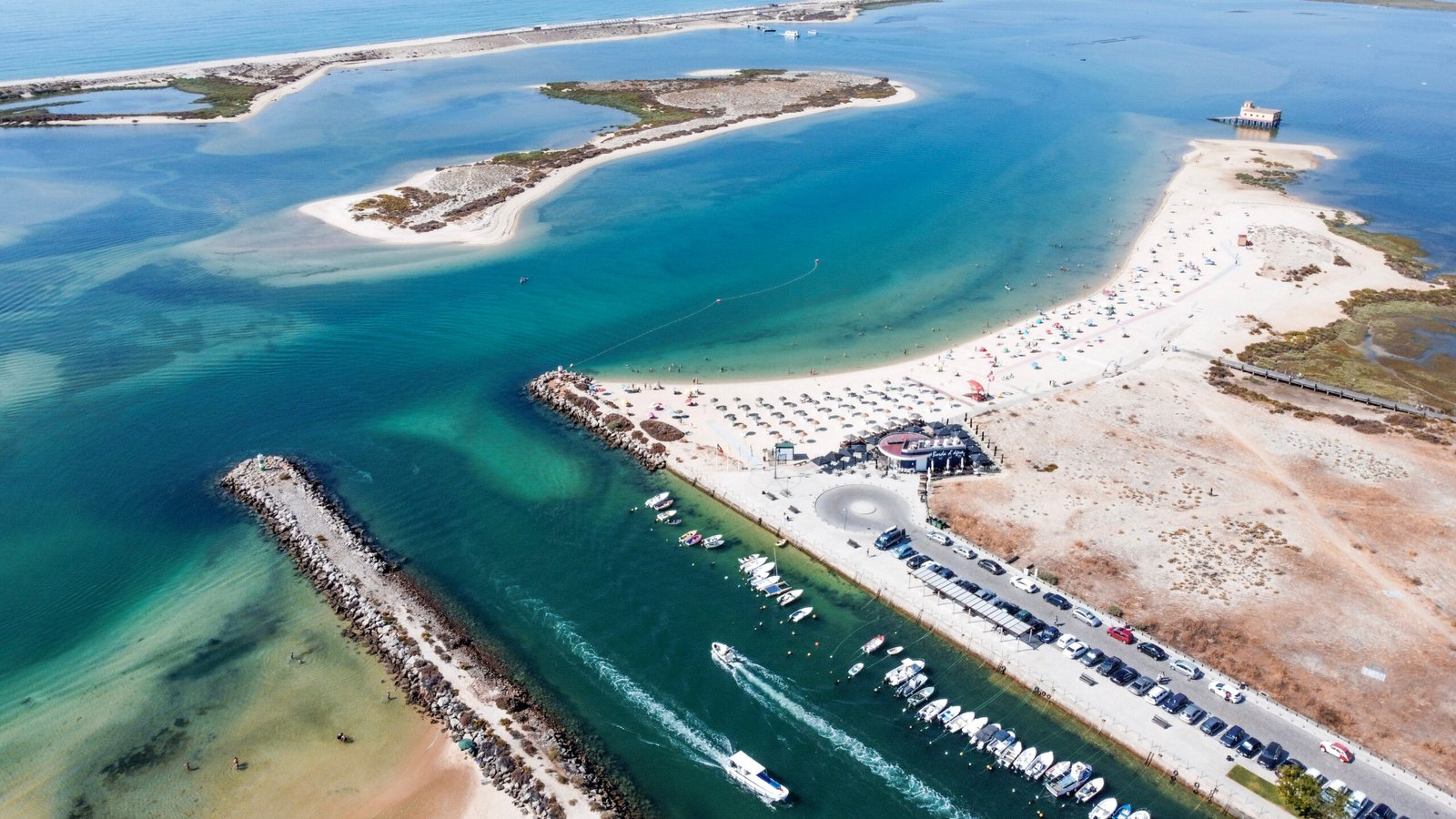
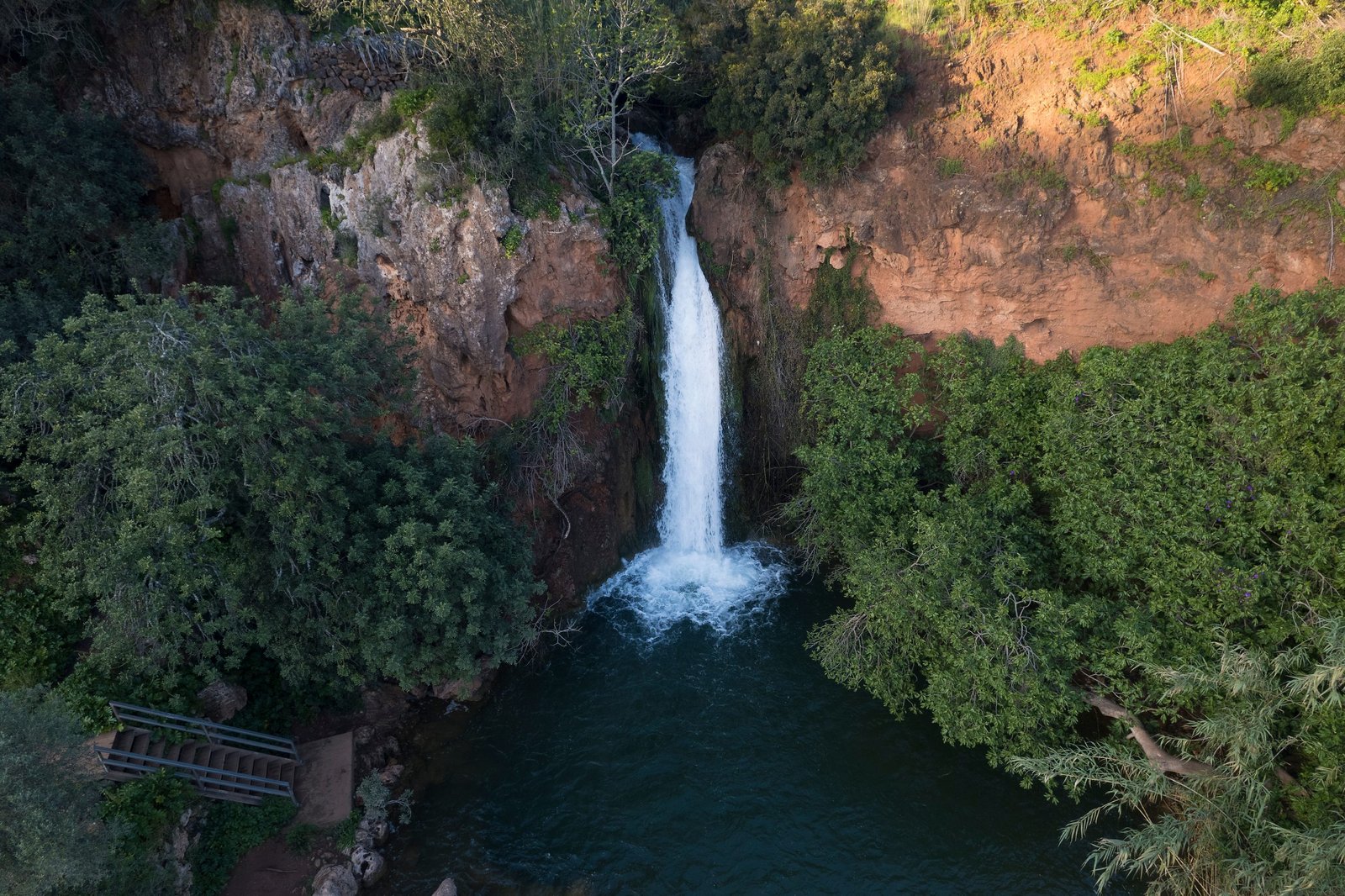
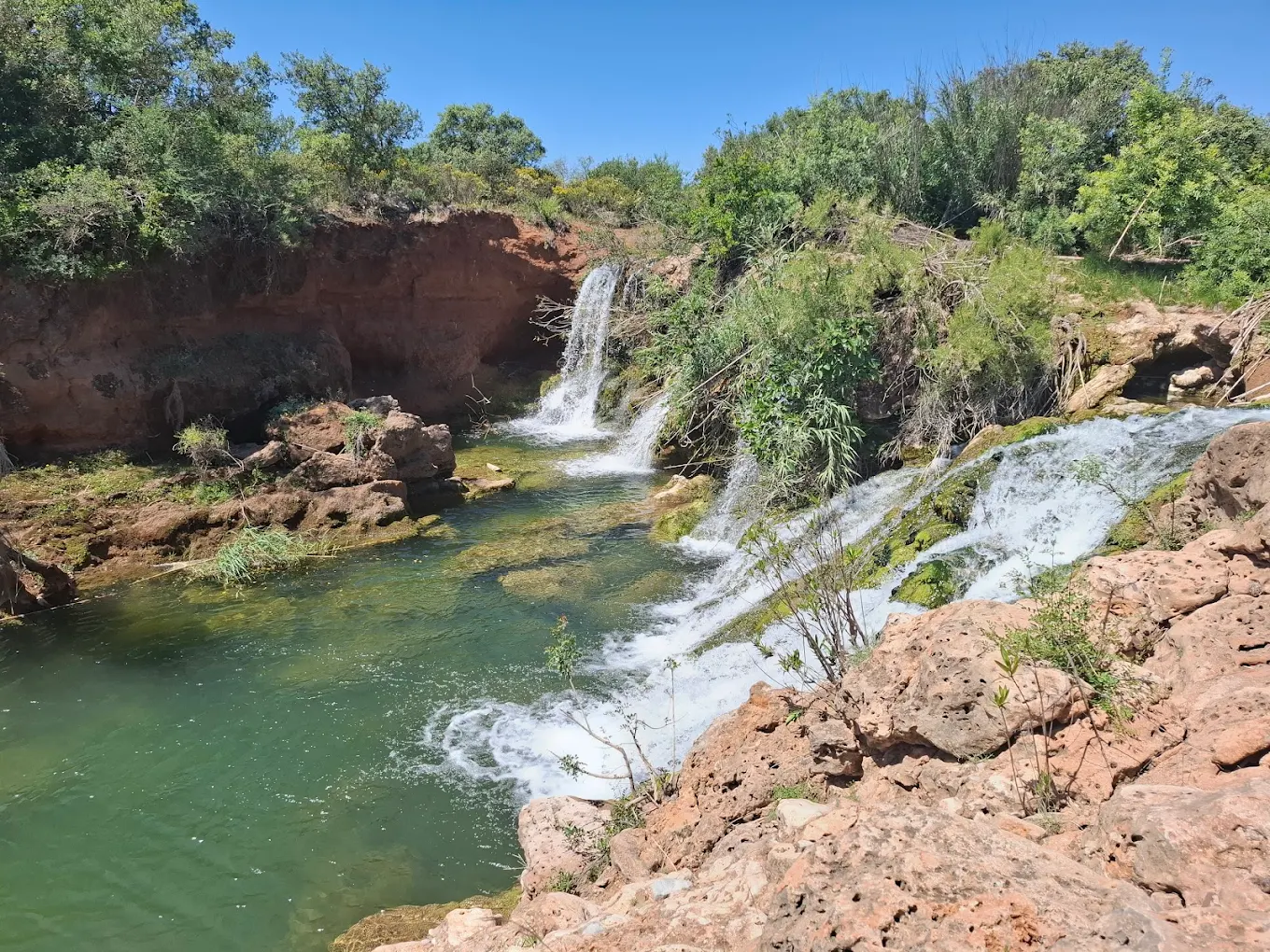
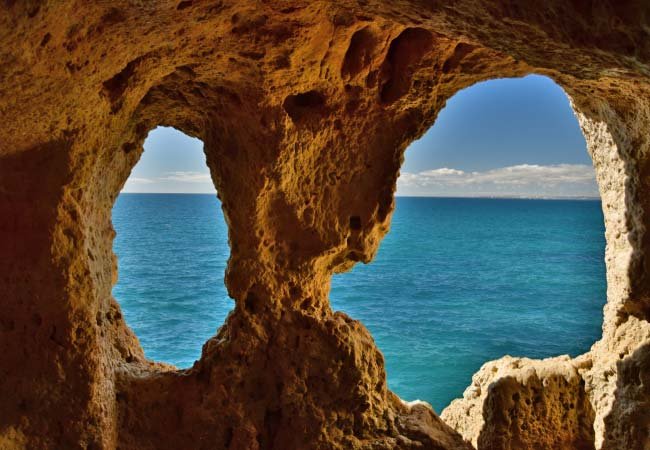
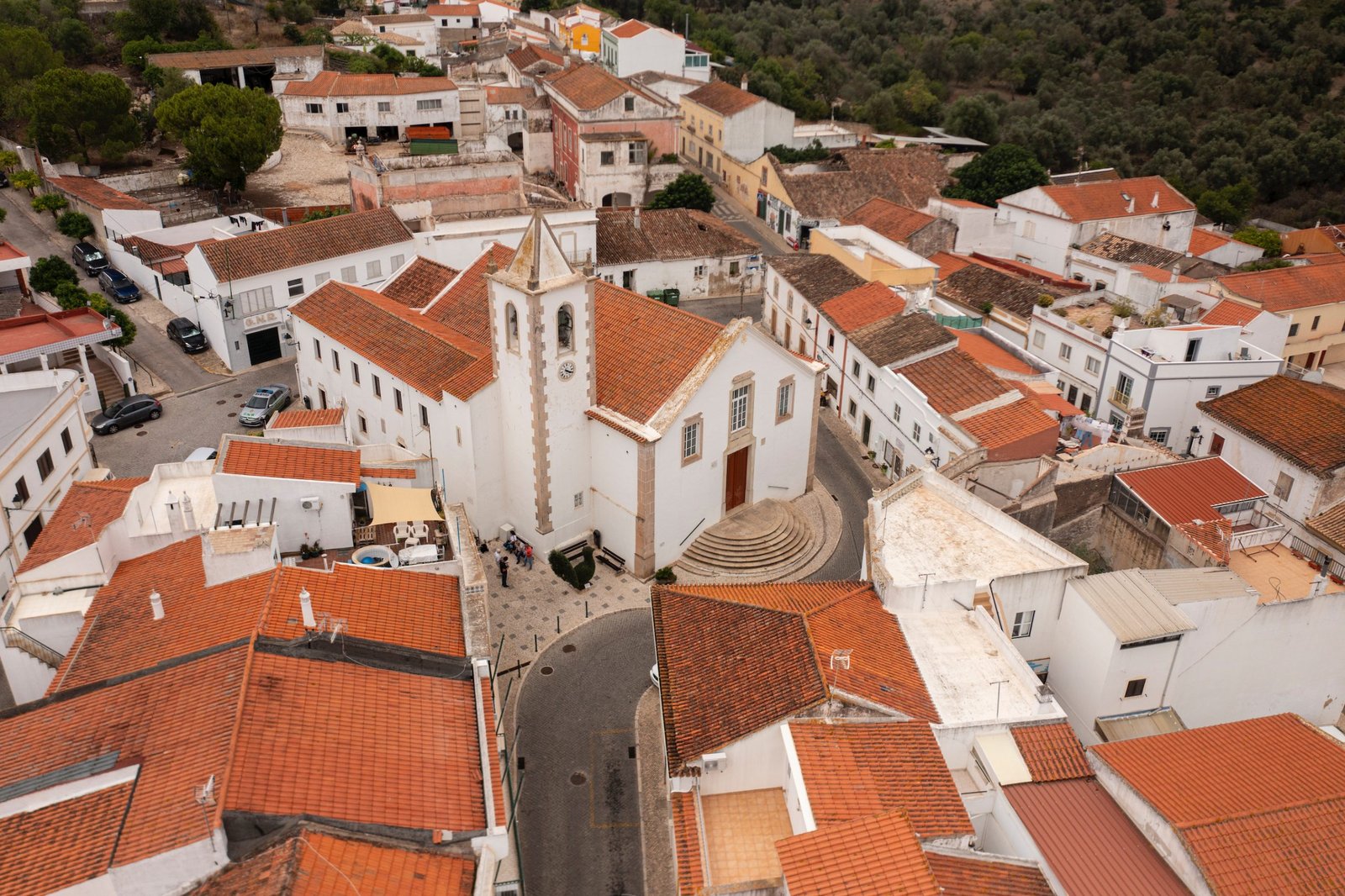
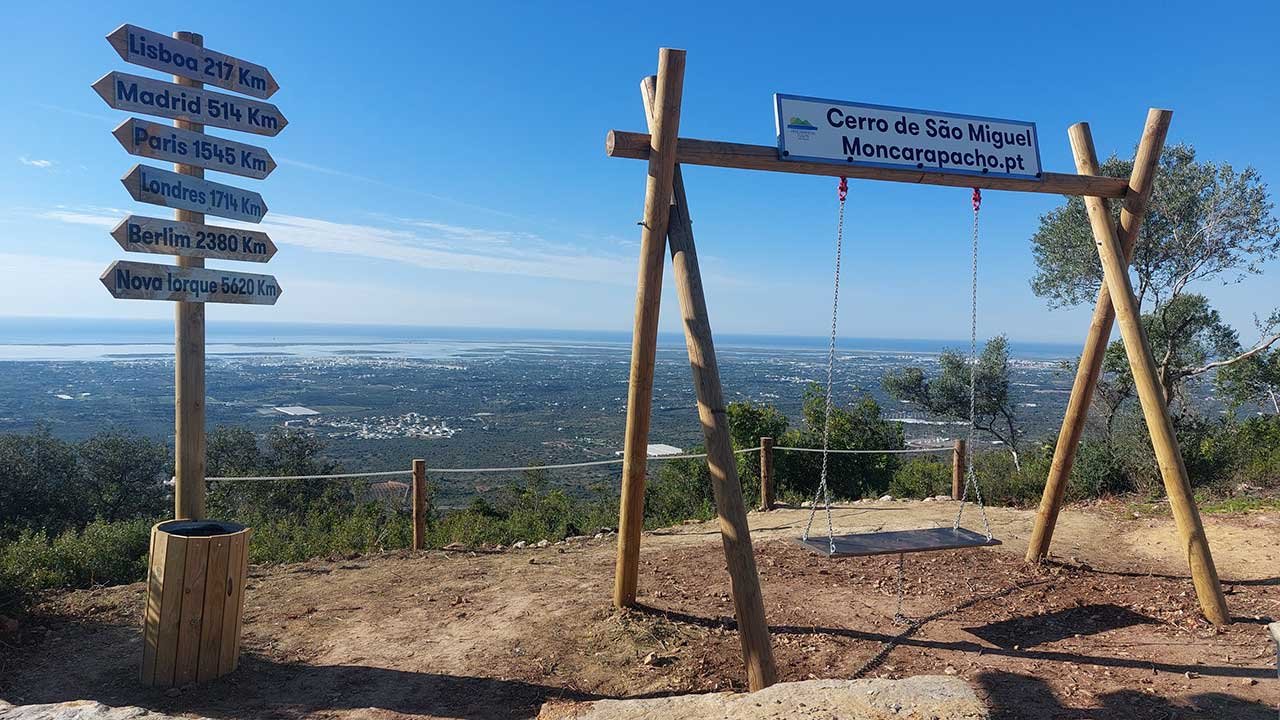
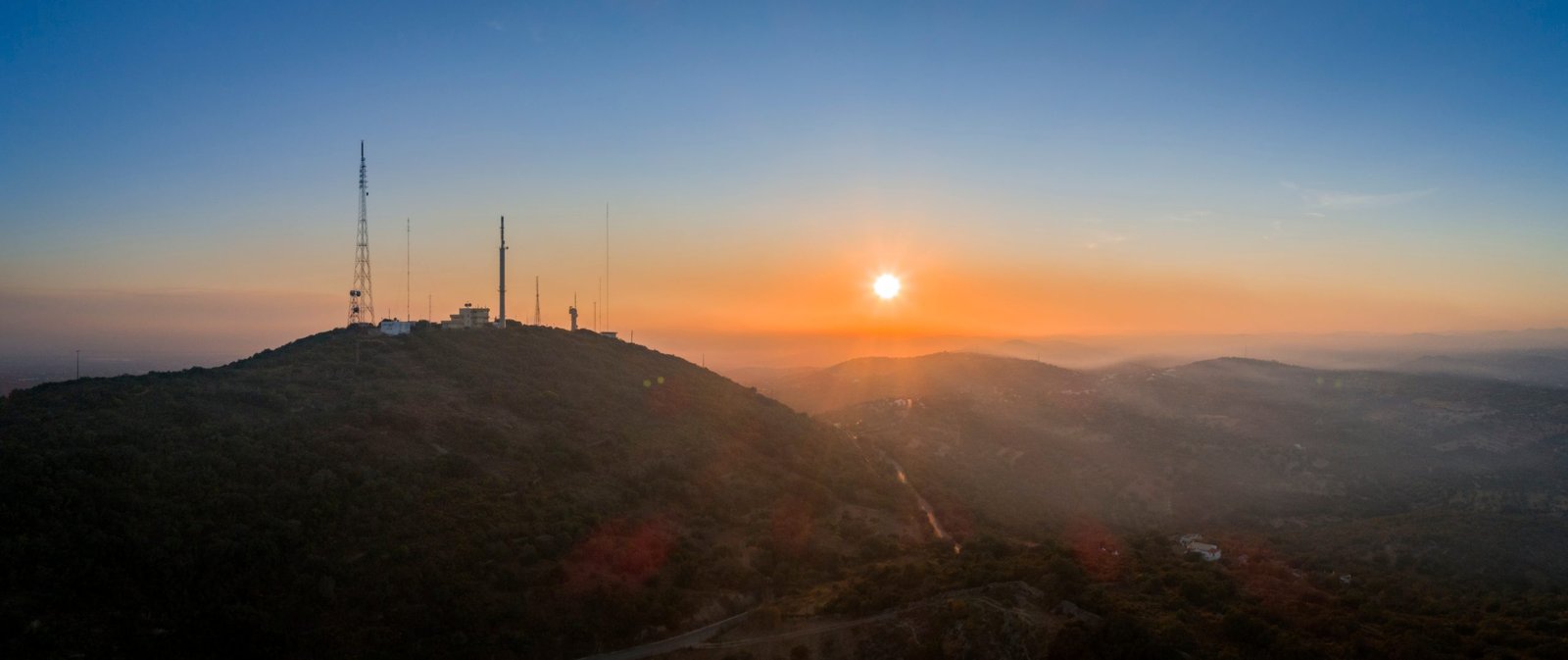
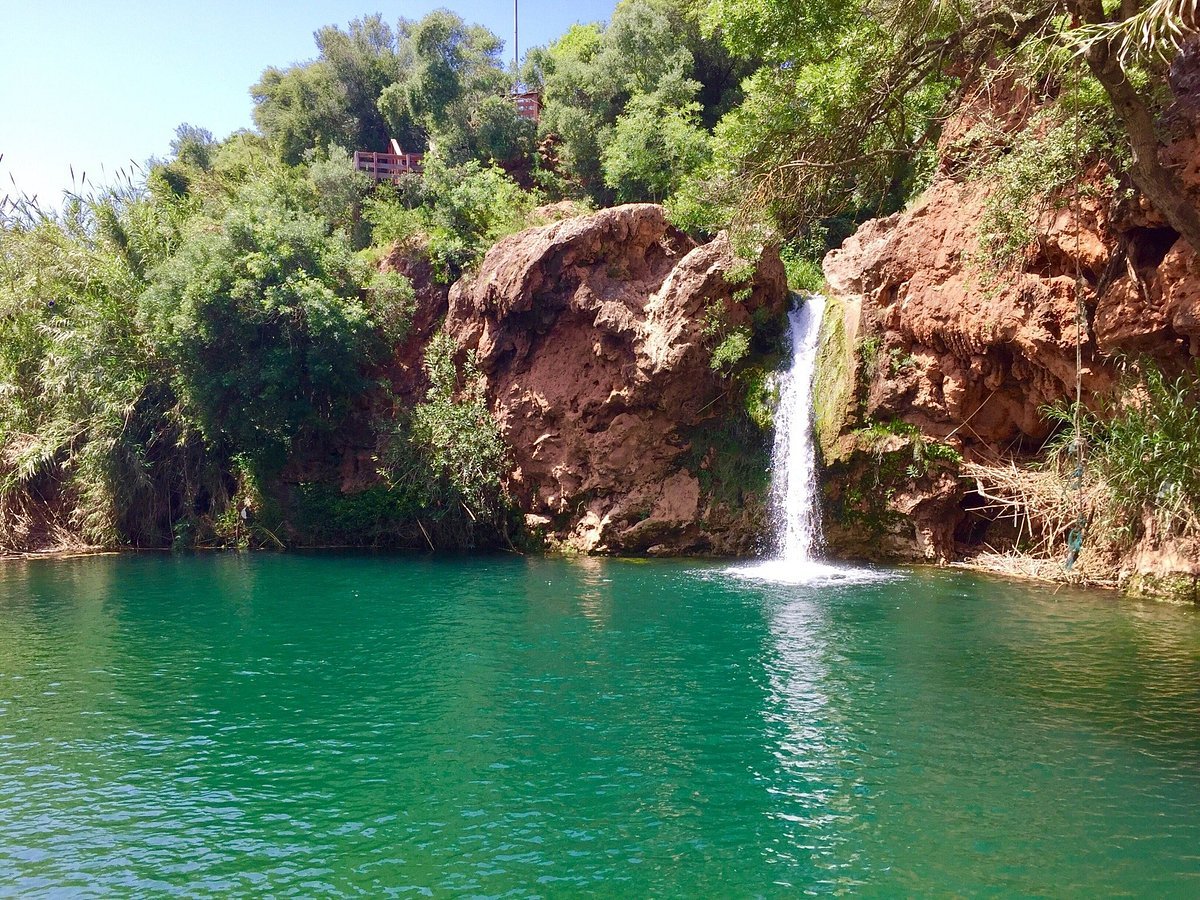
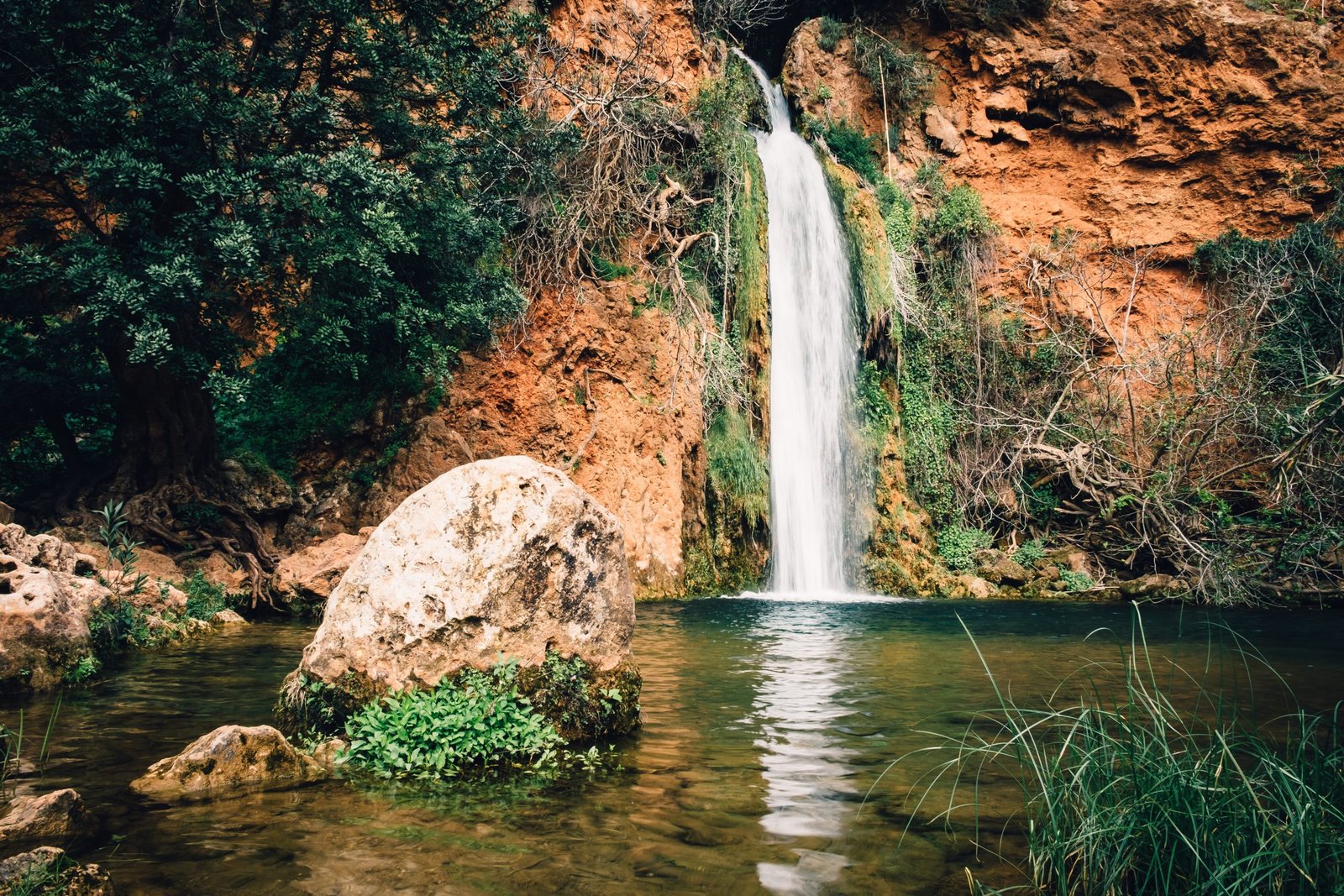
Geographically, the Algarve is divided into three natural zones: the coast, the barrocal, and the sierra. The barrocal is an intermediate strip with limestone soils, springs, and traditional agriculture (almonds, figs, carobs). The Algarve sierra, meanwhile, includes areas such as the Monchique Range and Serra do Caldeirão, where cork oaks, strawberry trees, and small scattered villages predominate.
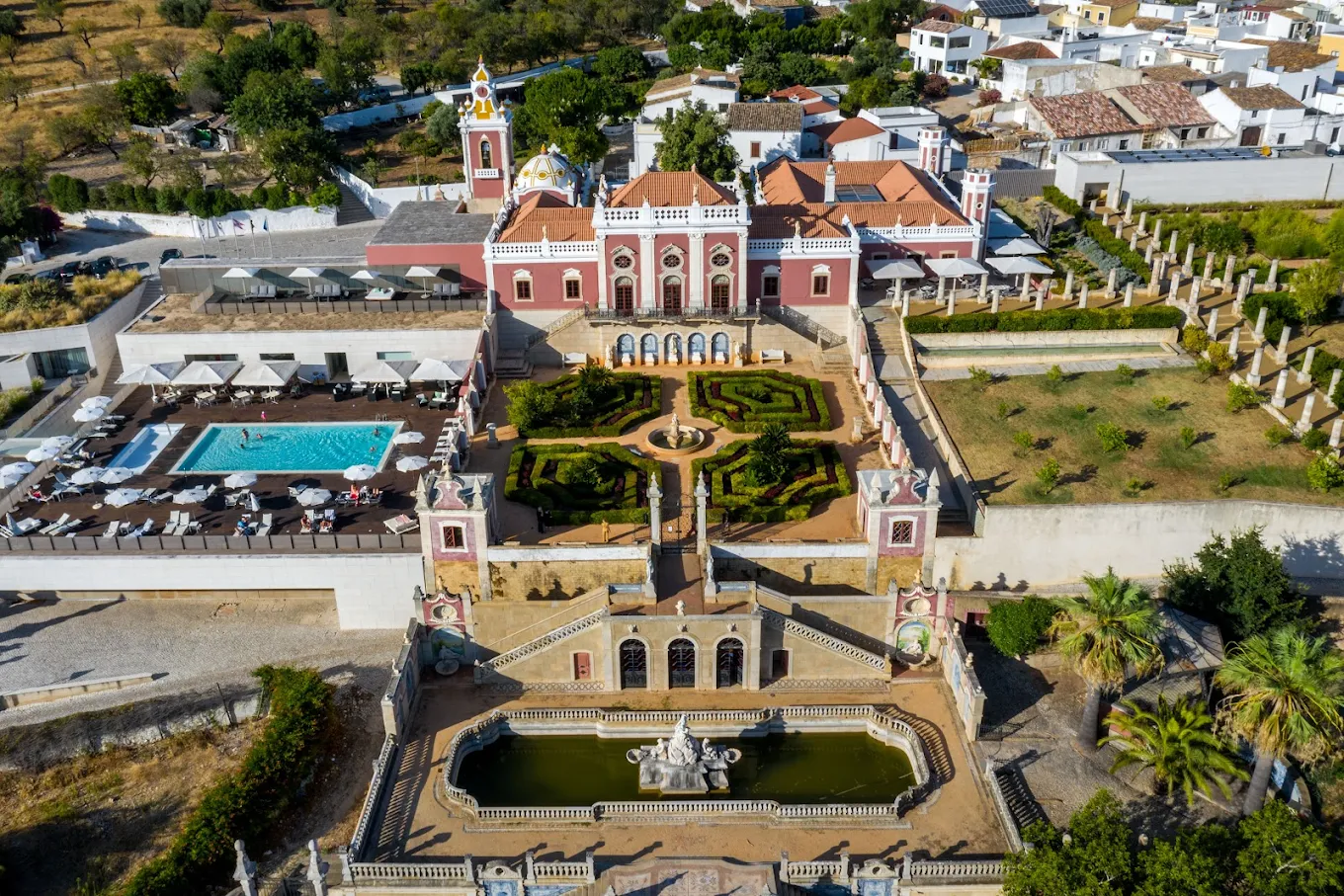
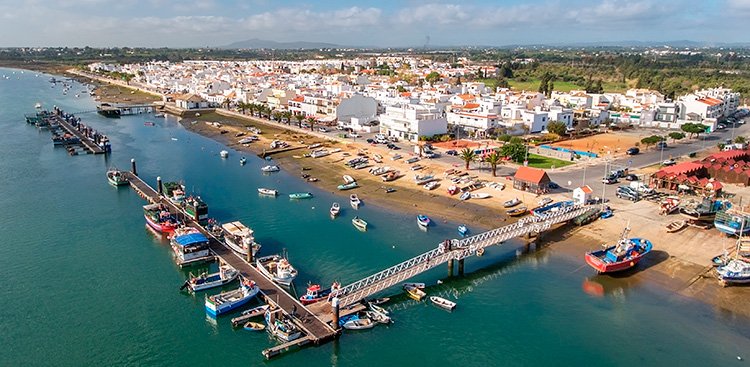
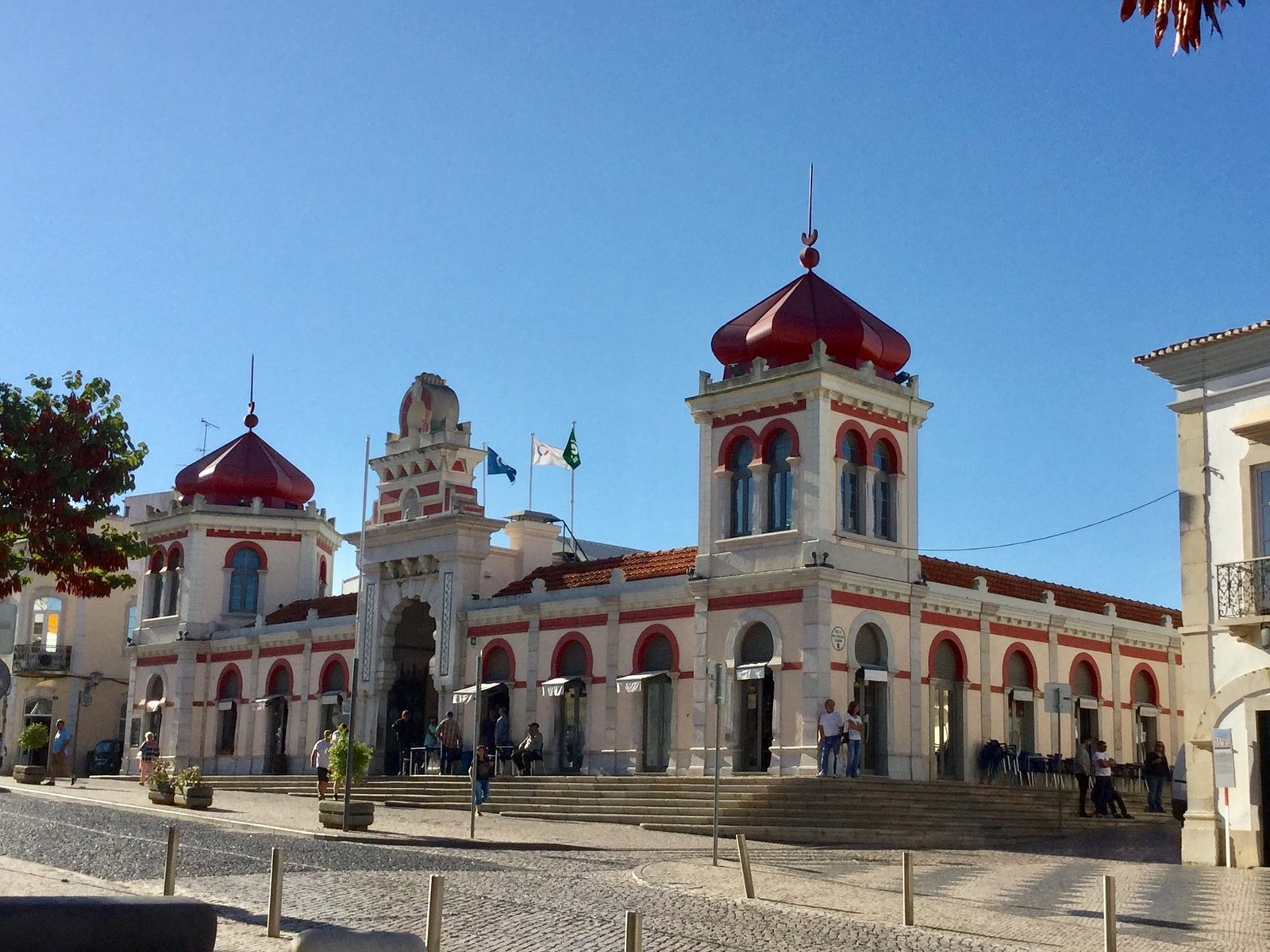
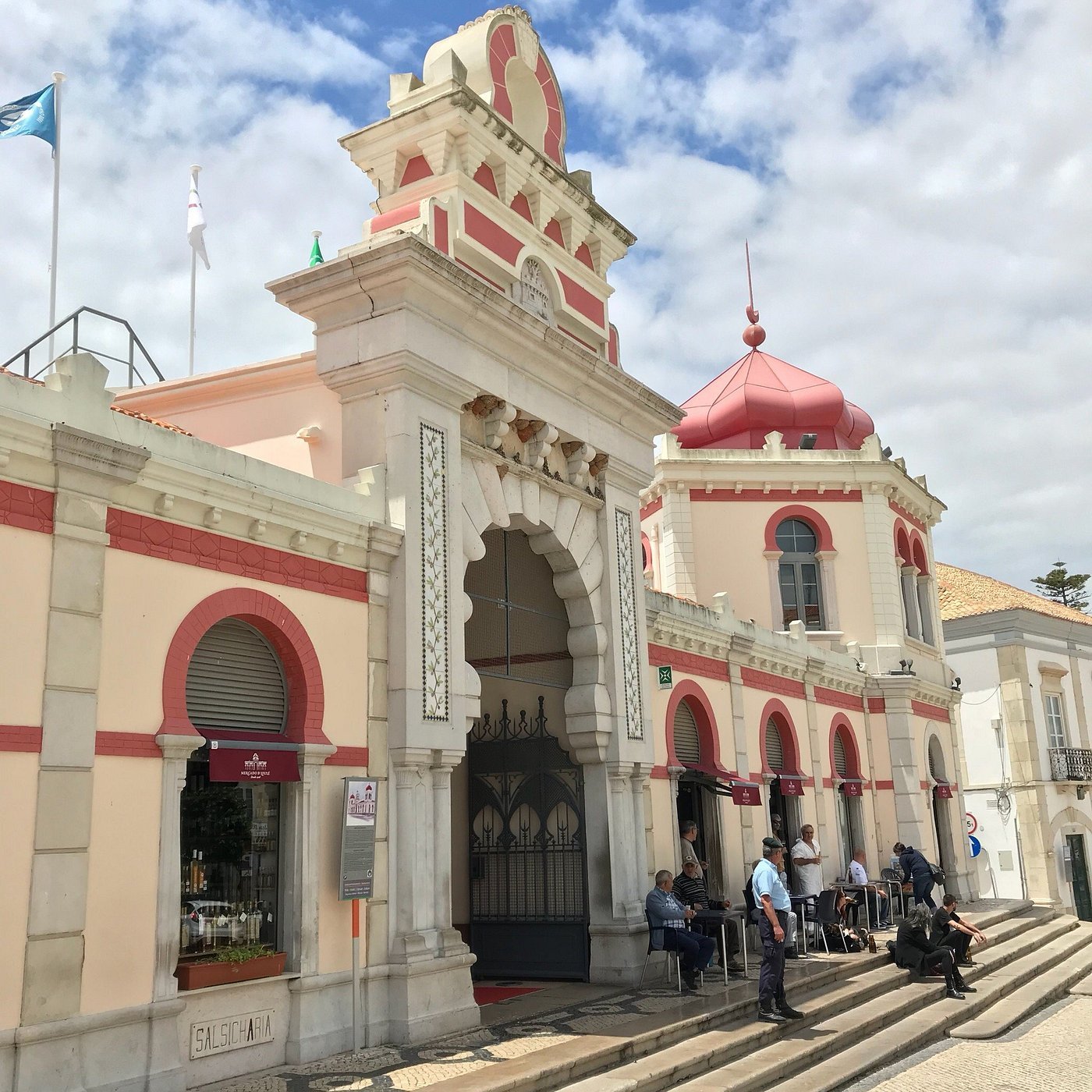
Culturally, the Algarve has a strong Arab influence due to the Muslim occupation in the Middle Ages, visible in its architecture, place names, and traditions. The cuisine is largely based on fish and seafood, with dishes such as cataplana, grilled sardines, and dom-rodrigos. Tourism is the main economic driver, but fishing and agriculture continue to hold local importance.