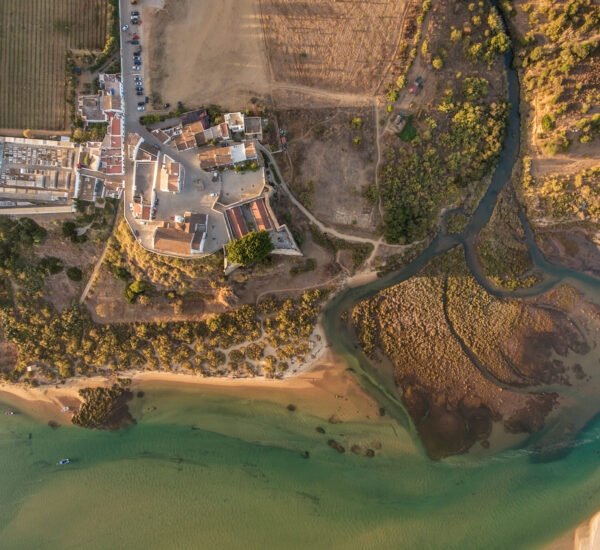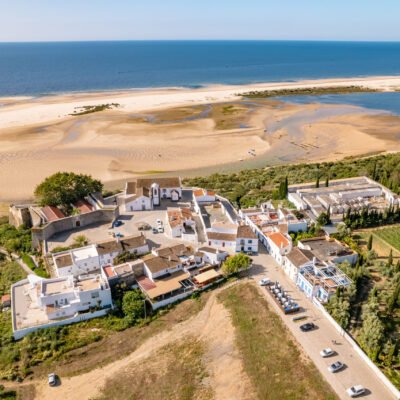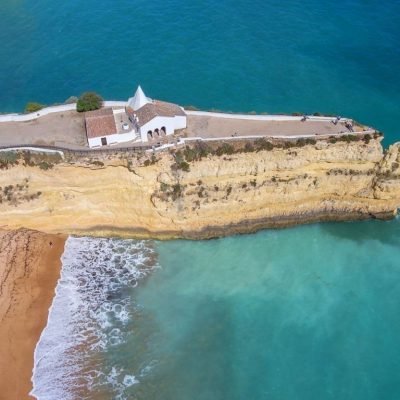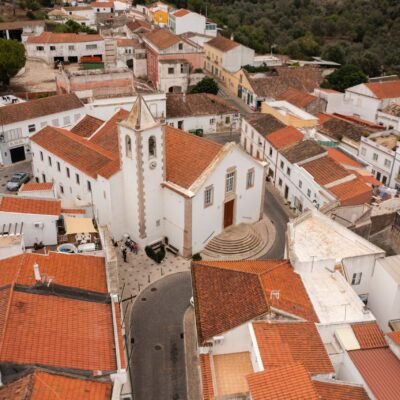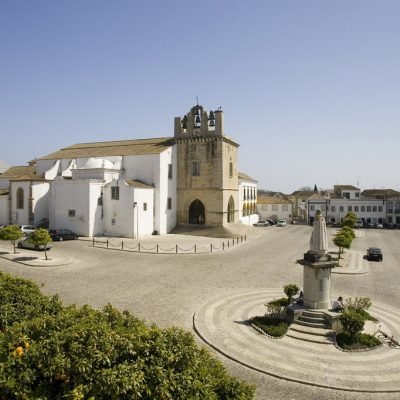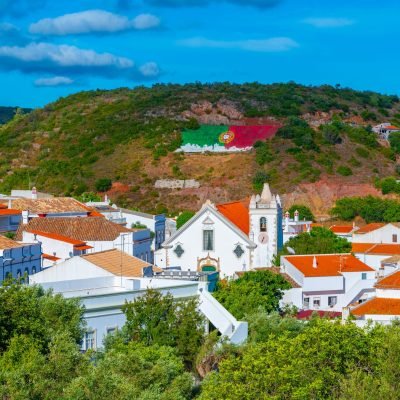
Besides its landscape value, Cacela Velha preserva um importante legado History, dating back to different periods of occupation, including Islamic influences and reconstructions after the 1755 earthquake. The Fortress of Cacela It stands out as a central element of the village, having played a strategic role in coastal defence. Already Church of Our Lady of the Assumption presents a simple and balanced architecture, representative of Religious identity from the region.
A aldeia mantém uma atmosfera Calm down and less mass-marketed, which differentiates it from other areas of the Algarve more geared towards intensive tourism. This Authenticity it is reflected in the local daily life, traditions, and also in gastronomy, strongly linked to Ria Formosa. Products such as clams, cockles and oysters take pride of place, highlighting the connection between the community and the surrounding natural resources.
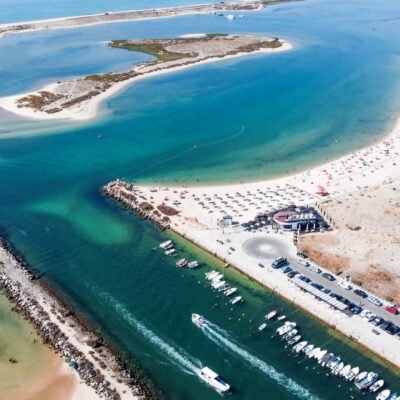
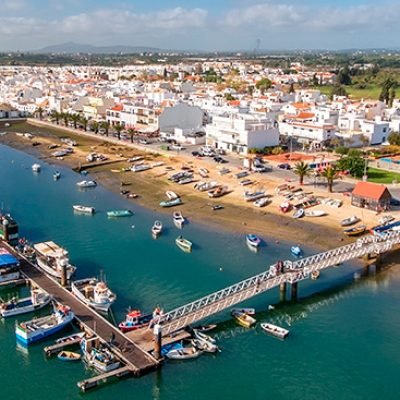
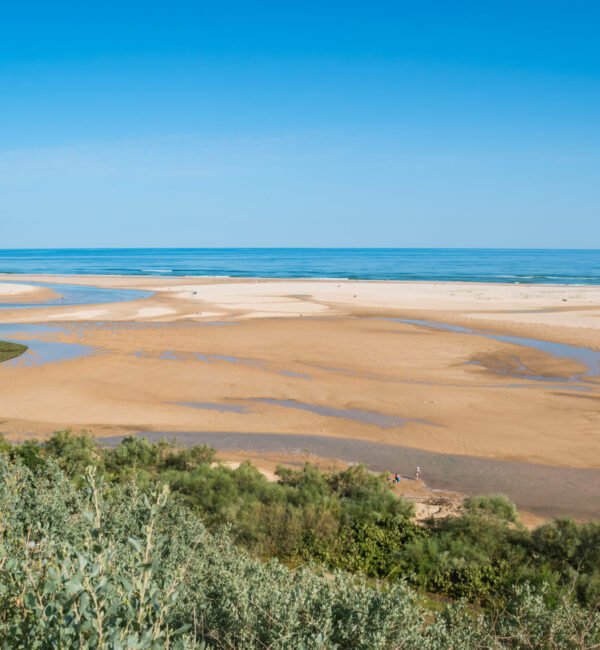
Another striking aspect is the constant transformation of the landscape to the rhythm of the tides. During low tide, extensive sandbanks and channels emerge that sometimes allow you to walk to Cacela Velha Beach. At high tide, the water once again envelops the estuary, reinforcing the character lagoon and the natural isolation of the area. This dynamic contributes to an ever- unique and unchangeable.
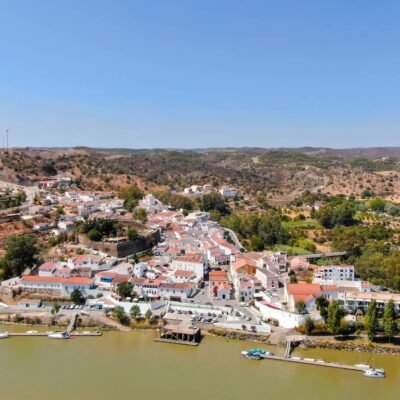
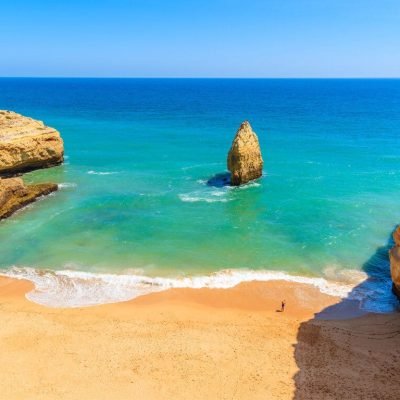
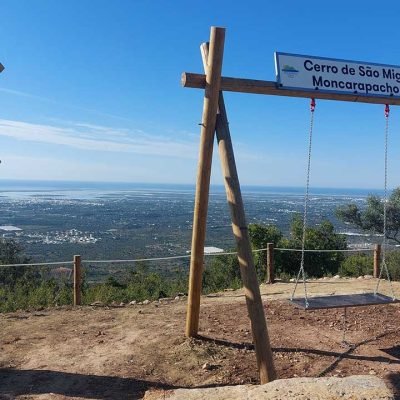
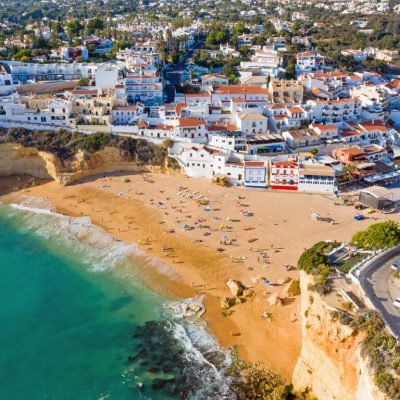
Cacela Velha is a small village with a traditional layout, notable for its narrow streets, whitewashed houses typical of the Eastern Algarve, and a strong connection to the surrounding landscape. At the highest point of the settlement is its historic area, dominated by the old Cacela Velha Fort and by the mother church, from which wide views are obtained over the Ria Formosa, one of the most important and best-preserved lagoon systems in Portugal. A few minutes away, you will find the Cacela Velha Beach, accessible via the estuary and known for its fine sand, calm waters and an almost untouched natural setting.
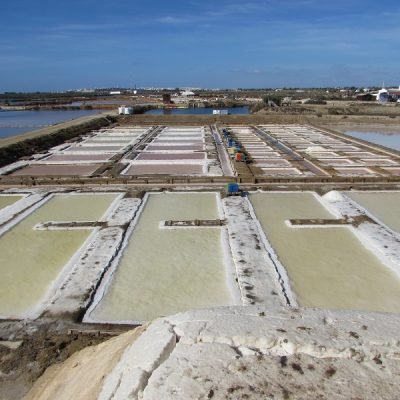
The natural surroundings are part of the location's identity, integrating into Ria Formosa Natural Park, where salt marshes, barrier islands and a great diversity of birds coexist. This setting makes the village a prime spot for nature observation and for those seeking more direct contact with the natural environment of the eastern Algarve, also being an area of great ecological and landscape value.